|
If you're looking for fall to just hit the ground running, and for the last quarter of the year to be really successful so that you can end the year strong, then you're going to want to read this blog where I talk about how your fall breakthrough starts now. I know we're still in summer, the nicest time of the year for me. I live in North Vancouver, BC Canada, but I'm hanging out in Ontario right now. I'm going to go over how your fall breakthrough starts now, and what I'm keeping, what I'm cutting, and what I am creating. Use Summer as Strategic Space Often, people think summer is a pause because it's beautiful outside and you want to take a vacation, which is great. But it also creates space for you to pause differently, as a prep ground for your Q4 success. It’s the last opportunity before the end of the year to reach your goals, to be able to have the wins you're wanting, and that financial success. The Hard Truth: Most People Wait Too Long Here's the hard truth: most people wait too long. They wait until September comes. But then in September (in Canada, anyway), we have a long weekend that starts the whole month, and then school starts. Usually, you don't feel like you're actually in September until the second week, or maybe midway through the second week of September. Well, waiting till then is going to kill your momentum. High-level leaders are taking action now to get ahead, rather than waiting. By doing it now, you probably have more brain space because you're not rushing here and there, you're not doing a ton of projects. You have more brain space right now to be able to focus on it, to think clearly, to have more capacity and bandwidth to really make some good decisions about your final quarter. My Three-Part Fall Audit Here's my three-part audit, my fall audit. It's really simple: what you’re keeping, what you’re cutting, what you’re creating. When you go through that, even just to take two minutes on each part, you'll be amazed at the clarity you get. What You’re Keeping You look at your calendar, you look at your business, you look at what you have going on professionally, but you also look personally at what you have going on in your life. In your business, you might look at your offers, the different systems you have, your team members, clients, and so on. On the personal side, you might look at habits, rituals, behaviors, how you spend your day, how you spend your time, and where you invest your focus. You’re going to look at all of that and ask yourself, “What am I keeping out of all these things? What still gets the check mark from me?” If it doesn’t get the check mark, then maybe it moves into another category—cutting—or maybe even just weaning off of it. What You’re Cutting Are you cutting certain tasks? Is it time to delegate things? Are there mindsets you need to cut? Any negative programming that says, “I can’t do that,” or “I can’t charge that amount,” or “I’m not good enough to do that”? Or maybe it’s the mindset of, “I’m so amazing I don’t need to do anything.” That’s another one you probably want to get rid of. Are there any commitments that are draining you? Look ahead—maybe you’ve taken a break from some of your commitments. Your board meetings might end, your exercise class might wrap up, your book club might pause, or networking groups you’re part of might take a break. Many activities slow down over the summer, even volunteering. Ask yourself, “Which of these commitments will come back and which drain my energy or are no longer aligned?” Maybe they’re no longer aligned with you, your business, or your personal life. It might be time to cut them. What You’re Creating Finally, what are you creating? Based on your goals, what do you need to create to get there? You may need to create new offers to meet your financial targets. Maybe you need to come up with more content to bring in leads. How about creating more systems to help your business run smoother? Or building more partnerships to grow financially, expand your content’s reach, or help you create the systems you need. So, what are you keeping? What are you cutting? What are you creating? If you spend just a few minutes on each one, you’ll complete your fall audit and get yourself into a really great place. If you don’t have a business, do this for your life. If you have a career, do it for your career. Do it for your whole life because as a professional coach, I can tell you that looking at all 10 areas of life is the way to truly be balanced. How My VA Helps with This Process Once I have my keeping, cutting, and creating, then I'm going to look to my Virtual Assistants. I have two main VAs I've been working with for over four years, and on my team, I have more VAs who can help you as well. Let me share what I'm doing. Before the summer, we did a lot of behind-the-scenes content batching. The reason is I was going to spend 10 days in Kenya, a couple of days travelling there, and then three weeks in Ontario. I pre-recorded seven videos, enabling my team to create my YouTube videos with a consistent background. They could also then publish my podcasts and create these blogs. This gave me the space to enjoy the summer and also complete tasks like my fall audit. Content batching is a great idea. You can even do it now to give you more freedom this summer or get ahead for the fall. We're not too far along. There's still time and space to do it. Another thing that I have asked my team to do is to go into our systems and clean them up. First into our project management tool, our boards there, clean that up, archive anything that's done, bring back to the top anything that still needs to be finished off. Looking at our systems that we have, like how we do things, can we do it more efficiently, faster? Can we maximize our time in other ways, so that as we go into Q4 we can gain back some of that time? Also doing things like launch prepping and website updates. Having these sorts of tasks done now is really helpful for Q4. Then when I look at my keeping, cutting, creating, a lot of the cutting is either me delegating it off to them, or cutting because I'm not going to do it anymore. Also, a lot of my creating is I come up with the idea, but then they implement it. They make it happen. That's how my VAs are helping me to not only prepare in the summer for Q4 but to make Q4 amazing, because a reminder that success is not solo. It's not just you. It doesn't have to be you. Big companies have so many employees because you need all the little pieces to keep the machine running, and that helps you to stay in your zone of genius, in your core competencies and on high impact, high income-producing tasks, which is where you need to be. Your Action Step Spend that time, ten minutes on each area or at least a minimum of one minute on each area: keeping, cutting, creating. Just do it as long as you need to and maybe come back to it a few times. You can get deeper answers. Once you have that, if you're like, "Oh, I have so many things I want to delegate," or "there are mindsets I don't know how to shift," or "goals and systems I don't know how to create," reach out to me. So twofold: you get my coaching on one side, enabling you to have the business success you want, but then the life satisfaction you crave. Then, on the flip side, you get a virtual assistant. A vetted virtual assistant from my team who is already trained on so many of the different things. If not, there's a lot of my IP, my intellectual property, my training videos, my systems, my checklists that I give to you, and you work with one of my VAs, so you can just copy-paste and have them do similar to what my VAs do for me. Set an intention, do this action, and reach out to me, [email protected] or on your favourite social platform, and let's have a chat about how we can help you make Q4 give you the time freedom, the work freedom, and the financial freedom that you've been craving. Until next time, stay dynamic!
0 Comments
The most common thing busy people tell me when I meet them is "there's just so much to do." I say, "Get someone else to do it or pass it off." They're like, "Ah, it's just faster to do it myself." Have you been guilty of saying that? Probably. Or maybe you think delegation takes more time than doing it yourself? Maybe you're thinking of the corporate way where to pass things off, you had to develop full trainings, teach people, and test them. Or maybe you've had bad experiences trying to pass things off to people who weren't the right fit, or maybe your instructions kind of sucked. So, how do you delegate in 10 minutes or less? I'm going to give you a more fail-proof way that I've found working with my two main Virtual Assistants (VA) for over four years (before that, I had Canadian assistants and contractors for six and a half years), and what my clients do with their VAs every single day, every week of the year. Tens of thousands of hours of delegating for these entrepreneurs can't be wrong. There is an easier way. You don't have to sit there and train all day. The Mindset Shift This really comes down to a mindset shift. If you're thinking, “I don’t even know what to delegate,” don’t worry — I’ve got you. I have other blogs and podcasts episodes that walk through that. But if you don’t want to figure it out alone, that’s exactly what we do inside Virtual Assistant Made Easy. We’ll work through it together. I won’t just hand you a big list of possible tasks — instead, we’ll start with your goals. What do you want to achieve in the next quarter? This year? From there, I’ll help you identify exactly how a VA can support you so you reach those goals faster and with less strain. If you're hoping for 10 clients, can we get you 20 clients? If you're hoping to launch the new course three months from now, can we do it in one month? Who knows? But that's the possibility when you have support. The Simple 3-Step Process Let's look at it. You've got something you want to delegate. Maybe you went to an event and have all these business cards or connections, and now you want to add them to your database, message them, add them on LinkedIn, whatever it may be. Step 1: What's the Task? First thing, what is the task? What is the thing you do that you want to pass off? As you're going through your day, just write down the things you want to pass off. Step 2: What's the Outcome? Figure out what's the outcome you want. There are many different ways to do something to get to that final result. For example, "I want to add people" or "I want to document the information from these leads." The outcome is that they're in one of your databases, or you're connected on social media, whatever it may be. Step 3: What's the Format? Then it's the bit in between, what you're going to tell them. How are you going to tell them this information? Are you going to write them a checklist? Make them a voice note? Make them an email? Or record your screen and show them? Screen Recording One of the easiest ways to train your VA is with a simple screen recording. They can watch exactly what you're doing. No need to be on camera or worry about your hair or makeup. Just talk through the steps as you go, like: “I’m logging into my CRM, going to Contacts, clicking this button…” and so on. Your VA sees your screen and follows your mouse. That’s it. You don’t need to create a formal SOP or write out instructions. If your VA is trained properly (like ours are), they can turn that screen recording into a documented process. No need to practice, re-record, or make it fancy. Just hit record, walk through the task, explain what you're doing and why. Then send it off with any files they need (like images of business cards) and say, “Go for it.” It really can be that easy. The Multiplier Effect If you think, "Well, it's just faster for me to enter these 10 cards than it is to make that recording," think about this: What if the recording was you adding the first one in, and then you passed off the other nine cards to be done? And then every other time you have other contacts, you can do the exact same thing? What if it wasn't business cards? What if now you go to an online event and you've got the Zoom participant list, or you have a directory of people you're supposed to reach out to, or you have an email with people's email addresses you're supposed to be putting in, or you have a signup somewhere that didn't quite get into your CRM? Do you see where I'm going with this? You recording that one video is showing them the process of how to do something in a very simple way… not polished, nothing fancy. They're going to be able to do it for you. Your Action Step What do you think? Does that sound doable? Does that sound easy? What if, for the next week, every time you come across a task you want to delegate, you just hit record and capture yourself doing it? You’ll start building a library of videos you can pass off. These recordings will cover those recurring tasks you no longer have to do yourself. I’ve already shared two other blogs on delegation. One was called “What Would You Do with an Extra Five Hours a Week?” Another was “The One Thing That You're Still Doing That Your VA Should Do.” And now this one shows you how to delegate in ten minutes or less. Like I said at the start, this really comes down to mindset. Thinking delegation takes more time than just doing it yourself is a myth. That belief will keep you stuck in the wrong tasks. The truth is, you started your business for more than just work. You wanted time freedom, money freedom, and the ability to choose how you spend your days. Let’s make sure your actions match that vision. Your Next Step If you loved this tip, and you’re wondering, “What else can I delegate? How can I have my VA create my SOPs, systems, and processes for me?” or even thinking, “Can I just copy what Diane uses?” Yes, you can! SOPs for speaking, training, coaching, course creation, book publishing, podcasting, YouTube, social media, content, editing, presentations, and events. The answer is yes. If you'd like access to my full library of videos, training materials, SOPs, checklists, and more, please don't hesitate to reach out. I’ve built all of this over the past 15 years in business, and it’s ready to go. Currently, we have four open client spots available. If you're ready, connect with us. I have a team of skilled, vetted virtual assistants from the Philippines, ready to support you. They’ll take the busy work off your plate so you can finally move faster, get ahead, and enjoy your life more. Instead of feeling like there are never enough hours in the day, you’ll be saying, “Wow, we are moving at full speed, and I’m so glad I didn’t have to do all of this myself.” Let’s give you the time, work, and financial freedom you started your business for. Reach out to me, [email protected] or check our website for Virtual Assistant Made Easy so that you can jump on board and have me just do it all for you. Okay, enjoy everyone. Until next time, stay dynamic!
There's probably at least one thing or maybe 100 things that you're still doing that your Virtual Assistant should handle, and it's costing you time, work, and financial freedom. This is about delegation awareness. Let's dive into the one thing you're still doing that your virtual assistant or someone you delegate to should handle. Delegation Awareness Even with my Virtual Assistant Made Easy clients and coaching clients, I constantly hear them mention tasks they're still doing that they could delegate. Here are two stories: Story #1: The Blog Upload One client was still uploading her own blog every week. When I asked why, she said, "Oh, it's just easy. I just go in and put the things in, and then get the pictures and everything." She had the VA do all the other pieces but was still uploading it herself. All she needed to do was show the VA how and give access. Once she passed it off, it freed up three hours per week. She'd wondered why she was always behind. It was these small things adding up. If you're doing blog or website updates multiple times a week, it takes time away from your core competencies and probably burns your energy doing tasks you didn't get into business to do. Story #2: Social Media Content Another client was still making his own social media posts. When I asked why he was still doing it himself, it boiled down to not being sure she could let it go or how to pass it off. One of my main virtual assistants does all my stories, reels, and captions based on my anchor videos. She pulls quotes, chooses them, adds calls-to-action, and picks images. So I shared my trainings, videos, checklists, templates… everything he needed to pass it off. He regained his time and sanity (because there simply aren’t enough hours in the day), allowing him to focus more on bringing on new clients. I love finding that one thing someone's still doing that they should pass off. It All Comes Down to Delegation Awareness Ask yourself: What have you been doing the past six months that you still want to do versus what you want to pass off going into the next six months? If you don't have a VA, we've opened eight spots for clients to work with our virtual assistants. They're vetted, experienced, with great English (spoken and written), and have worked with speakers, coaches, trainers, entrepreneurs, and small business owners like you. If you already have one, it's time to look at what else you can pass off. Common Delegation Opportunities Here are some common delegation opportunities that may be ones you could pass off: Inbox Filtering: Maybe you're not ready to pass off your email yet, but could they filter things? Could they put things into folders like “subscriptions”, and “To Reply to”? Delete the spam? Could they even check your junk and spam, make sure nothing fell into there? Reply to FAQs? Could they categorize urgent, to-do, and project-based emails in the right place for you? Calendar Management: Often, I receive emails that include the dates for a program or speaking engagement. I just forward them to Kristine, and ask, "Hey, can you please add this to my calendar?" Very simple. Even things like adding client meetings in there… This is a task you can pass off. If you're like, "Oh, it just takes me a few minutes." Yes, but let's add up again those three minutes, five minutes, one minute, two minutes, ten minutes, over the course of the day, the week, the month, the year. It's hours upon hours, and it's costing you time, work, and financial freedom. Presentations: Have you ever realized how long it takes to make a presentation? Forever, right? If you simply give a virtual assistant your Word document, which consists of just black words on a white page, they can create a whole presentation for you in PowerPoint, Canva, or anywhere else you want them to make it. Even if you think about just putting the text in, formatting the boxes, choosing the images, each of these can take 15 minutes, 20 minutes, or even longer, when you think of all of the slides. That's something that they can do. Other Tasks: How about updating your website, creating a landing page? How about your CRM emails, audio and video editing, newsletters? There are so many things that can be done. The Real Issue A lot of times people think, "Well, I just do this one little thing that I should delegate." But it's actually probably dozens of things that you're doing. A lot of times people say to me, "I don't know what to delegate." Trust me, there's lots to delegate. But the thing is, when you cling to these tasks, it's a form of control that limits the growth… the growth of you, the growth of your business because when you're focusing on low impact, low quality, low income-producing tasks, you're not going to have enough time for high impact, high quality, high income-producing tasks. It also limits your time, work, and financial freedom. What To Do Well, your task is to identify these one-off tasks, these daily tasks, these weekly tasks that you need to delegate, that you want to delegate. If you're like, "But I don't know how to delegate. I don't know who to give it to. I don't have a Virtual Assistant" all that, just reach out to me, email me [email protected] or DM me on your favorite social platform, and let's have a conversation. Currently, I have three highly skilled vetted Virtual Assistants ready to support business owners, and I’ve opened just eight client spots in my Virtual Assistant Made Easy for you to work one-on-one with one of my vetted virtual assistants. When you join and start with your VA before Aug 15th, you’ll get ✔ A VA personally matched to your needs ✔ My support to get you delegating fast and effectively ✔ 20 bonus VA hours ✔ A powerful bonus suite worth over $25,000 — including content systems, plug-and-play delegation templates, and CEO strategy support If you’ve been thinking, “I need help but I don’t know where to start,” this is your sign — and your solution. Remember This The things that drain your energy do not deserve your expertise. I'm going to say that again: the tasks that drain your energy don't deserve your expertise. If you find it draining to invoice people or to input your expenses into your Google Sheet or financial software, pass it off. If you find it hard to figure out tech, such as creating a landing page or updating things on the back end of your website, pass it off. If it drains your energy, you're in dissonance. You got into business so that you could do the things you love, your core competencies, the things that are your zone of genius. All of these so that you didn't have to do the crappy tasks, the dissonant tasks that you maybe would have to do at a company. Your Challenge If you want time freedom, work freedom, financial freedom, I'm going to challenge you. Think of one task. You've probably already thought of 10 by now. I'm going to challenge you to come up with the biggest list you could possibly do of all the tasks that you could delegate. I'm going to make this fun here. Email me the list. The person with the biggest list by Aug 15th, 2025, I'm going to send them one of my books: Confidence Secrets, Leadership Secrets, maybe Trailblazer Secrets, or Success Secrets. Email me your list. I know I said one task, that's the minimum, but show me how big of a list. I bet someone could get to 100. Is there anything specific that you would like me to cover as we're coming into the fall? If there are any blog topics or challenges that you have, email me [email protected]. If you are looking for a VA (virtual assistant), then let me and my team connect you with one. The cool thing is, I share a lot of my intellectual property with my clients, so my training videos, my checklists, systems, and exactly how I do things in my business as a speaker, coach, trainer, as well as someone who has a podcast, YouTube, newsletter, books, and online courses and so on and so forth. If you want that sort of done-for-you ability to bring on a VA, then reach out to me, [email protected] or visit our website because that's going to explain more about Virtual Assistant Made Easy, and I'm happy to have a chat with you. Until next time, stay dynamic!
What would you do with an extra five hours a week? I ask this because most entrepreneurs work 60+ hours every single week, even though we're doing this for the freedom. (Sidenote: If you want to have tons of fun this summer but get lots of stuff done so that come fall, you can look back and say, "Wow, that was an amazing summer," and "I got a lot done" then you probably want the Summer Productivity Playbook. It's a mini course with all the things I've been doing in my own business and life to enjoy summer without falling behind and chasing my tail come fall.) The Reality for Most Entrepreneurs Most entrepreneurs work 60+ hours a week. I see this in people who come to me before they hire one of my VAs or start working with me as their business coach. The shocking stat is… of those 60 hours, only 20% are high-impact, high-quality, and high-income-producing activities. This is why they are working really hard, but not making the money they want. What do I mean by these kinds of tasks? Things like managing the business, CEO visioning, cash flow activities, building relationships, following up with leads, creating new products or services, and completing any tasks that prevent you from generating your desired revenue. The Main Questions What would you do with those extra five hours? What would change in your life with five more hours of freedom per week? It's not just five extra hours to work more. It's five more hours of freedom that could be used for business or life.
We got into business because we're passionate about what we do and want to make an impact, but also because we want time freedom, work freedom and financial freedom. At a job, we're often capped. We can't make more without promotions or bonuses, but we can build that into our own business. Real Success Stories I have a client who works with one of my virtual assistants. In one of our monthly CEO meetings where we share wins and brainstorm, she said, "I got three new clients last week." I was surprised. Three in a short period was surprising. She explained she had an idea for a funnel, but hadn't properly finished it. Her virtual assistant freed her up to develop the idea, then the VA made the whole funnel happen. They simply turned it on… email campaigns, sequences that brought leads, and she closed them. Amazing! She gained hours by having the VA do other time-consuming tasks, gained more hours because she wasn't doing the work herself, gained three clients and more financial freedom because the funnel worked for her. It has continued to work since then, generating new leads that turn into clients and ongoing revenue. Life's Unexpected Moments God forbid something bad happens in your life, but I have seen five extra hours a week help other clients…
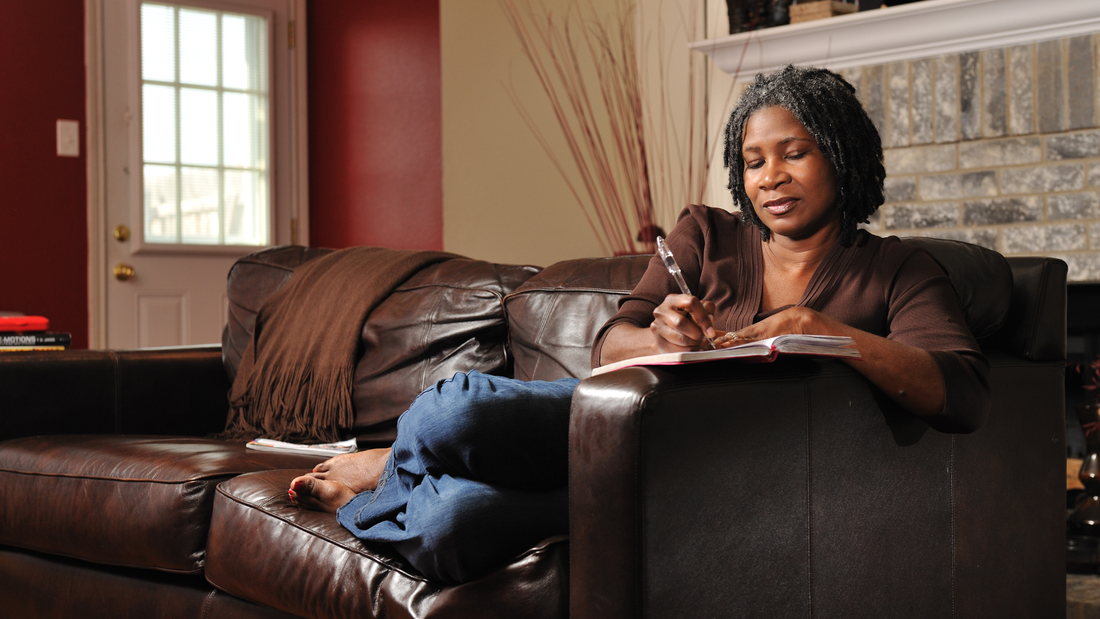
One of my clients has been able to take Fridays off. Another client starts her day an hour later to focus on her own activities. That's what I often do, so I can go for a walk to get some self-care in. What's Wasting Your Time Let's start by identifying what things are probably wasting your time in your business. Remember, I mentioned high-impact, high-quality, and high-income-producing activities. On the other hand, we have low-impact, low-quality, and low-income-producing activities, or no income-producing activities. These are the things that you should delegate to someone else. Someone on your team or delegated to a virtual assistant. (Side note: we do have some openings right now for four business owners to come into Virtual Assistant Made Easy, and work directly with one of our virtual assistants that are from the Philippines, vetted, hired for you by me, already experienced and know how to do everything from your social media content creation, video/audio editing, research, tech, email and calendar management, and the list goes on and on to email campaigns and YouTube and podcasting and book publishing and course creation and PowerPoint presentations.) Hard Truth: There are many time wasters you’re still doing yourself. It could be as simple as putting in information or adding in data. It could be that email and calendar management. Even though you're like, "Oh yeah, but it's just quick," you add up these little quick things over the course of your day, over the course of your week, over the course of your month and year, and it ends up being a ton of time. Have a Content Creation System to Save Time Looking at how I repurpose my content using my whole Content Multiplication Magic machine (this is something my VA Made Easy clients have access to) I record a video every week that goes on my YouTube. My VA is the ones who edit it, makes the thumbnail, puts it up on YouTube with a description, and then shares it on my social media. The same thing goes for my podcast. My VA is the one who does all the steps. They transcribe it, put it on my blog, pull pieces of it and create social posts, then make other posts that are promoting those different things and write my newsletter. The other BONUS is that all of these assets are my words. Now it doesn't mean that I'm fully hands-off; I do approve them, but it is so fast compared to all the work I could be doing. Can you imagine how long this would take you? It used to be half my week. Now, my VAs do it all for me, and they do it much faster than I could ever do because they're gifted at these tasks, and they're things that they enjoy doing and have become really good at, having done them week after week. But imagine you're still managing your email and calendar, still creating social media posts, and still scheduling them. You're still figuring out your tech. You're still doing every piece yourself. You won't get those five extra hours a week if you don’t look at what you’ll pass off. Your Call to Action As I mentioned, if you want those five hours back, you can join us at Virtual Assistant Made Easy to get one of our VAs, and you’ll get more time back guaranteed. Not sure what to offload or what you can gain with five hours? Do this… Take a pen, take your favourite journal, and you're just going to write:
Then let me know how you plan to use those five extra hours this summer and hopefully beyond, because I'm sure when other people read about them, they will say, "Ah, that's such a great idea, and I want to be able to do that too." Comment below or email them to me [email protected]. You don’t have to be one of the entrepreneurs working 60+ hours a week; you can have more time freedom, more work freedom, and more financial freedom. Until next time, stay dynamic!
Picture this: You're standing in a massive convention center, surrounded by thousands of attendees, your feet are killing you, your brain is on information overload, and you're wondering if you've actually accomplished anything meaningful. Sound familiar? If you've ever felt completely drained at a large-scale event like Web Summit or any major conference, you're not alone. The excitement of learning from industry leaders and networking with like-minded professionals can quickly turn into overwhelm when you're not prepared for the marathon that these events truly are. But here's the thing: mega events don't have to leave you burnt out and questioning whether the investment was worth it. With the right strategies, you can not only survive but thrive, making meaningful connections and gaining valuable insights while maintaining your energy and sanity. Here are my five tips to get the most out of it and keep your energy. Strategy 1: Prep to Win Before You Go The first strategy is all about preparation. This means getting really clear about what your intentions are. Why are you going? What are your goals? Maybe you have two, maybe you have three—no more than that.
Strategy 2: Energy Management Is Everything Think about your morning rituals — are you setting yourself up for success, or already rushing out the door stressed? Start with something that grounds you. Maybe it’s quiet time, movement, or just drinking your coffee without multitasking. Fuel your body with real food, not just a granola bar grabbed on the way out. And hydration? Drink water all day long, even adding electrolytes.Most people don’t do it, and then wonder why they crash halfway through the day. It sounds basic, but it can be tempting to grab another coffee, especially if they have a coffee/tea station or a Starbucks on every floor. When evening rolls around, yes! ~ go to the events, the dinners, the socials. Connect, have fun. But don’t feel like you have to stay out until 1 or 2 AM to make it “worth it.” You’re not missing out if you choose rest. You’re investing in tomorrow. Then have some kind of wind-down routine. Something that signals to your body and brain that it’s time to slow down. Maybe it’s calming music on your drive or when you get home. Then get yourself into bed. Not scroll-your-phone-in-bed… actually sleep. You want to show up sharp the next day? It starts the night before. Strategy 3: Network Without the Awkwardness How do you do that? Well, be intentional. Go up to someone and have some quality statements to say, rather than blabbering on for a while. Think of some conversational starters—not just, "What do you do?" but:
Change up the questions so they're better conversations, and make sure you've got your phone out so you can connect on the event app along with LinkedIn so you can keep that connection going afterward. Having anchor people helps. It could be a friend or someone that you know—if you've had too much stimulation or you feel like you've been "on," then you go over to them so that you can completely chill out. Strategy 4: Don't Get Lost in the Crowd You need to be seen, be heard, and be present — especially at big events where it’s easy to blend into the background. Be Seen: Wear something that pops — a bold colour, a fun accessory, something that shows off you. Not over-the-top or distracting, but enough to help people remember you. Think of it as your walking business card. You want to be approachable, not invisible. Be Heard: If there’s a chance to ask a question during a talk or panel, take it. Come prepared with a few thoughtful questions that show you’re engaged and paying attention. It’s not just about getting an answer, it’s a chance to get noticed and make a connection. Be Present: Don’t just float from person-to-person, half-listening. Stay in the moment. Take notes (when it makes sense), make eye contact, actually listen. This is where the magic happens in connections and building relationships. You don’t have to be the loudest person in the room. But you do need to show up with intention, so people know you’re there, and remember you after. Strategy 5: Know the Tools The app for this event at Web Summit was phenomenal. Not only is the whole event schedule on there, but you can create your own schedule so, in advance, you know where you're going to be at the last minute.
Your Turn: What Are Your Tips? What are your tips for lasting at a major event? What are the things that you do to maintain your energy and not get overwhelmed and get the most out of it? Let me know. Email me at [email protected], or put a comment below. Until next time, stay dynamic! This blog post is adapted from the Dynamic Women podcast. To hear the full episode and more tips for dynamic living, subscribe to the podcast wherever you listen to your favourite shows.
In my previous blog, I shared the first part of the Dynamic Women® Leadership Secrets book launch party where we had Panel 1. Now, let me share with you Panel 2 where the panelists discuss how to lead though challenge and create change. We have our panel moderator Candy Motzek and then three panelists: Jacquie Rougeau, Katherine Johnson, and Laura Richards. These four women are authors and part of the 36 authors that came together to create Leadership Secrets. Meet the Panelists Candy Motzek (Moderator): Thank you so much for being here. My name is Candy Motzek, and I am so pleased to be moderating this panel. A huge thank you to Diane for hosting this launch party and to all the amazing authors. I’m so pleased to learn from all of you. I'm going to ask you, ladies, to start with your introductions. Laura, can you tell us a little bit about you and your piece in the book? Laura Richards: I'm Laura Richards. I'm a narcissistic abuse recovery expert, and I'm the host of the 'That's Where I'm At' podcast. I wanted to be part of this book because narcissists are everywhere, and I wanted to help leaders learn how to deal with them. My piece gives you three steps for dealing with narcissistic people when you're a leader and how to keep your integrity as you deal with them. Candy: That’s great. Jacquie, I have seen you. You clap for everybody. You are the cheerleader, and I love it. Could you introduce yourself as well? Jacquie Rougeau: I'm Jacquie Rougeau. I'm at my lakefront property here in Lac LaHatch, BC, Canada. I'm a nomad, an adventurer, traveler. I'm also a coach, speaker, and cheerleader for women ready to lead boldly in their second chapter of life. I jumped into the book because I know the power of rising strong and wanting other women to know that they can do the same. My piece is real. It's a raw look at bouncing back after loss, leading with love and always some sass, and finding your fire again, no matter what age. Katherine Johnston: Hello everyone, and thank you for joining us today. Thank you, Diane, for bringing us all together. I'm really grateful for these new connections. I'm Katherine Johnston. I'm the founder and executive director of Global Mindz, and I provide leadership development and coaching worldwide. I must admit, I became a part of this book mostly out of curiosity, wanting to get back into writing. As I enter the last decade of my career, I want to give back, so I love supporting leaders and entrepreneurs to be their best. I hate seeing them struggle and looking for direction and finding a path because there's no recipe. I created this 'Boss and Buddy' concept as a framework to balance between the two roles. It's a playbook, in a sense, based on a leadership book I wrote some years ago with Lisa. Candy: That’s so great. I love this, entering the last decade of your career and wanting to really give back and support people who are coming forward. That’s wonderful. Let me introduce myself. My name is Candy Motzek, and I am a leadership coach as well as a business coach for high achievers. I'm also the host of the top podcast called 'She Coaches Coaches.' I'm excited to be part of this book because that word 'secrets'—it's really easy for people in leadership to pretend like they have it all together, but I really like that idea of sharing the behind-the-scenes. We all have self-doubt. We all experience imposter syndrome. We all have good days and bad days. The piece that I wrote is about the wake-up call. It is so important for us to have collaboration and engagement and support of mentors and leaders who bring us forward, but I wanted to remind us to lead from within as well—to look inside at what's going on with me and making sure that my leadership was aligned with who I am. Leading Through Challenge: What Did It Teach You? Candy: I'd love to hear about a moment when you'd to lead through a challenge, and what did that teach you about yourself and your leadership capacity? Katherine, can we go to you first? Katherine: Anytime I get this question, it gives me a sense of déjà vu of one of the toughest, personally and professionally difficult moments in my life. What they say—what doesn't kill you makes you stronger—it was life-changing for me. I was a business change leader for the Coca-Cola company, leading a year-long SAP implementation project of 23 team members in eight Nordic and Baltic countries with the same go-live date. No one would ever do that today, but they did. I realized the critical importance of communicating never enough hours in the day, but I did it, and how important it is to motivate others because I could not possibly do the work myself. As a leader, you have to let go. You have to trust your team, enable them, motivate them, and communicate with them because you cannot possibly do it yourself. This was before my two sons were born because I couldn't have managed it otherwise. That understanding of communication and motivation was life-changing for me. I realized I was more interested in people development rather than working with spreadsheets, which was finance and IT, which is my previous background. I switched to consulting and leadership, and here I am, 20 years later, doing what I love. But that was a breaking point. It could have gone either way. I became more people-oriented than task-oriented. Candy: I love that leaning into the thing that draws you the most, and that's probably your strength as well. That's great. Jacquie, what about you? Jacquie: When the company I had poured 17 years of my life into suddenly closed, it honestly felt like the rug had been pulled out from under me. I could still feel the emotions of it right now. I was grieving, disappointed, and heartbroken, but I still had people looking up to me for guidance. I wanted to honestly just crawl away and stay with my grief, but I knew I couldn't. That moment taught me that leadership isn't always about having all the answers. It's about showing up anyway with honesty, grace, and grit. I realized I was stronger than I thought I was, and leading through a storm doesn't require a cape, just courage and heart. Laura: I'm thinking back to a community group that I used to lead, and how it really goes along with what I talk about now with narcissists and toxic people in general. I would have people who really looked up to me and I was able to lead, and then I had someone who, as soon as everybody left the room, would come and fight with me in certain ways where it wouldn't even seem believable when I would tell other people. Looking back, what it taught me was I did not have the skills that I needed for such a person. I was very meek. Even though I was having to lead, I thought it was my fault that they were treating me that way. That's why I talk about this now—the way you can keep your integrity as you're dealing with difficult people because it isn't usually about you. It's usually about their toxicity. Candy: Let's go on to the next question. What one change would you like to see made to help more women be leaders? Who wants to go first? Jacquie, I can see your smile. One Change to Help More Women Be Leaders Jacquie: I'd love to see aging women celebrated, not sidelined. There's a belief out there that leadership and women as a whole have an expiry date, and no. Women who are 40, 50, 60+ are packed with wisdom, creativity and fire, but they're often overlooked. Let's start shifting to spotlight them. You're not too late. In fact, you're right on time. We need to focus on reinvention, not retirement. Your life is not over. I'm really here to lift people up and remind them of who they are. Laura: I second that motion. I'm 58, started this new career at 56. I would love to see women in leadership be just commonplace. When older women are celebrated and it's more commonplace that women are in leadership, I think it sends that message to young girls and teens who are looking and going, 'Oh, I can do that too,' because women hold that place in leadership. I just would love to see it be more commonplace and not something that's unusual. Katherine: This is fascinating because when I initially had the question, “I don't have a lot to say about this”, and now I do. I have three comments. I think it's a tough question. One of the things I've learned recently, I think it requires seeing more women be leaders. I'm thinking from a young like 25 to 45, I think we need systemic changes. There are structural problems when it comes to allowing women to be at their best and be visible and be promoted. When do you have your meetings? Well, after drop-off at school and before pick-up at school. Are you flexible? Can you do your two hours of work at eight in the evening or five in the morning? I think there are some systemic changes especially in certain industries like tech, finance, like a startup. I think there’s some work to be done there. I love that there's a Pay Transparency Act now in BC. There are intersectionality implications, a Caucasian female versus a Black female or a female with disabilities, the pay disparity or promotion disparity increases exponentially. That is a systemic problem, and it's also access to opportunity. I’m very passionate about that. Based on what Jacquie and Laura said, I’m all in on that. One of the things now when I mentor or coach younger women is to say what is most important for you now in the phase of life you are and using myself as example, I had children very late in life. That crazy project I did for Coke with the countries was before kids. Then I had children. I was so grateful. I really focused on them. My son just got his driver's license. He's going to university. My other son is at university in the US. My five years of caring for my aging mother, which took 20 hours a week, are over. I feel like I am in the brilliance of my third career. I don't know if you Jacquie and Laura feel the same. I'm like, “Oh, I have so many hours I can build my business now.” So that's where I would say the risk of a company overlooking people, and whether they're like, they had kids young or they had kids older, but the risk of overlooking people between 45 and 65 that's a bad move because we have the capacity to really put it all in if we want. Candy: Katherine, I loved how you summed that up, too. I won't even say my opinion. It's all of the above and a little bit more. Rapid Fire: Secret Weapon for Staying Calm Under Pressure We're going to wrap it up with this rapid-fire question, and it's going to be like a bottom line, one quick sentence. What is your secret weapon for staying calm under pressure? Katherine, do you want to go first? Katherine: Deep breathing, exhale out two counts longer than inhale. Five years ago, I would have said look calm even when you don't feel it inside because everyone's looking to you, but that creates internal stress. Jacquie: It's always Mel Robbins' five-second rule for me, hands down. It's like 5-4-3-2-1, I take action before that fear takes over. It's my brain's cue to stop spiraling, stop thinking, and start leading, even when I'm sweating through it. Laura: Just do it afraid. I think there are times in that 5-4-3-2-1—just do it afraid. Because there's never a time when none of us are doing it, like we're perfectly fine all the time. Just do it afraid. It's okay. That doesn't mean it was the wrong choice. Just do it. Candy: I do this kind of lean back and take a breath and try to keep perspective. Most of those pressure situations are not that big of a deal in the real world. Conclusion I encourage you to make sure you've a few notes that you can apply to your life, and also pick up a copy of Dynamic Women Leadership Secrets. You can learn a great deal from this diverse group of women from various countries. We have Canada, the United States, Netherlands, UK, Australia, South Africa, the Philippines, and many more. I encourage you to grab the book, buy it for a friend, or do it with your book club. Let us know what you think of it. This blog post is adapted from the Dynamic Women podcast episode featuring the Dynamic Women® Leadership Secrets book launch party. To hear the full conversation and panel discussion, listen to the original podcast episode.
5 Key Takeaways from Web Summit Vancouver: Navigating AI, Authenticity, and the Future of Business7/2/2025 Didn’t make it to Web Summit in Vancouver? I've got you covered with the five biggest insights that will transform how you think about AI, creativity, and building a meaningful business in 2025. I say the five biggest, but this is without going through all my notes and replays yet. This is what I'm pulling together on Friday morning, the last day of our event. Takeaway #1: AI Is Not Your Replacement. It's Your Tool There has been a lot of talk about AI over the week, and the key thing to remember is that AI is not a replacement for us. Whether we're solopreneurs trying to use AI to automate all our tasks, or are concerned about our jobs as creative designers, AI is meant to be a tool. I heard from Irina Novoselsky, the CEO of Hootsuite, who discussed how AI is particularly effective for ideation and initial drafts. We know that. They're going to give us some interesting output. But the key thing is human creativity and human authenticity, which has to lead. This is the key piece. If we can bring in human emotion, authenticity, and the skills we have, AI will not be a problem at all. Takeaway #2: Redesign Human Roles in Your Business We need to think about redesigning the human roles in our businesses. This applies to corporate and solopreneurs alike. Everything is automated now. In the age of automation, we have to think:
A lot of times, clients who work with my Virtual Assistants think, "Well, can I just have AI do all of these things?" It helps with coming up with ideas for content posts and drafts for emails. But at the end of the day, you as the business owner, you as the person in that human role, need to approve it, read it over, and put your own spice on things. When we think about human roles, we need to look at what are the breaks in the automation. If we're automating things in our business, where is there a subtle break or big break where we're thinking, "This doesn't work properly"? We need humans to step in and keep that flowing. For example, if we're looking at cutting up video for reels, we can use AI and different software to take different pieces and make choices. But what I've consistently heard is they don't make the best choices. Maybe they're taking half of a quote, or they're not taking the full piece, or they're not taking the best stuff. At the end of the day, you need to make sure that you are the one looking things over and deciding what requirements and guidelines are necessary for this AI to work properly. Also, ask yourself: What gets missed with full automation? Are there pieces around customer service that get missed? Creativity? Maybe opportunities are missed. What are you truly hiring humans to do? Let's create the human role and see how AI can assist them. A key thing mentioned repeatedly is that AI is dumb. AI can't reason. AI can't manage conflict. AI can't lead with empathy. AI can't decide which creative direction feels right. Maybe it can tell you it's in alignment with your values or business objectives, but at the end of the day, your humans—the people in your business—are going to give you that gut decision. This also came up in the interview I did with Cat How, talking about how she looks to her employees for "Are we going to take on this client or not? Are we going to do this project or not?" It comes down to that gut decision. AI isn't really smart in doing that yet. Takeaway #3: Redefine Success Beyond Profitability There are so many hungry tech students here, so many founders, investors, and people looking to build the next unicorn business. However, I've seen so many of these businesses created to solve problems for human good—cameras that can look underwater to find people who have drowned, housing solutions, and others helping with climate issues. Another pitch I saw involved removing chemicals from dyes and developing more natural approaches. That's one way we can really use our businesses to go beyond profitability. But it's not just about the success of the business—it's about what success looks like for the people around you because of the jobs you're creating. Jillian Harris said, "There's no point in driving a fancy car down the street if everyone else is struggling." It was really nice to see that, while there are some cash-hungry individuals here, there are many people with the intention of building a legacy and making the world better through their business. Profit shouldn't just be a metric. It should be more about the purpose of what we're doing and what impact we want to have. Equity matters too. Consider the following: If I'm working with a global company or developing online software, how can I invest in my employees? How can I work with local vendors? How can I select collaborations that align with our core values? These are the things you want to be thinking about because at the end of the day, when your head hits that pillow, you want to make sure you're feeling good about yourself. You want your business to be solid so that you can leave this world knowing, "I did good, and I put some good businesses out there." Takeaway #4: Creators Don't Need to Build a Platform. They Just Need to Show Up Authentically This one really blew my mind. The point is, creators don't need to build a platform—they just need to show up authentically. I'm speaking about cartoon creators, graphic designers, these types of creators. Take Ingrid, a Mexican writer, illustrator, and full-time webtoon creator. She was on a panel with Webtoon and has created a cartoon inspired by Japanese anime called "The Kiss Bet." It's now become a beloved romance series with over 176 million views and 1.7 million subscribers. She was able to leave her day job to do this. A lot of times people think, "Oh, I need to create an app. I need to create the software myself." You don't. The key thing is looking at the different platforms you can be on. I didn't know about Webtoon. I'm sure people who love cartoons and comics know this has been around for a long time, and there are many others as well. The power is in what you create, not necessarily owning the platform it's on. But there are some big key tips you have to think about here:
One key thing Ingrid has been doing is using other platforms to help build and promote what she's doing on Webtoon. We think about that as business owners, “Where else can I be to move people to where I want them to purchase from me or be a follower?” But what she's doing is building loyalty. When she decides to create a different cartoon or comic, she has the opportunity to pull her fan base with her. Think about how else you can monetize it. What they've been doing with another company, Skybound Entertainment, is asking, "How can we merchandise this? How can we create other pieces?" It's not just "here's the cartoon," but "Here are T-shirts, here's the actual comic, and here are all the other products," so fans can gobble it all up. You've got sponsorship opportunities, membership opportunities, licensing, live events—so many other things you can do than just the one piece you're creating. Takeaway #5: Storytelling Is Still the Superpower Randy Kumar, CEO of Team Pumpkin, says storytelling matters more than technology in advertising, and that's where we are unique. A lot of people are complaining that they can tell when ChatGPT or Claude or other AI has created the output people are reading. In advertising, people don't want to be sold to—we know that's not new. But the key thing is they want to get to know us, and they get to know us through story. Maybe it's time for us to reconnect with our story. Maybe we think we are connected to our story, but do our people know that? Many of the AI software and speakers on various panels discussed how to amplify your story and share it, then utilize AI tools to enhance its reach even further. If you're thinking about expanding into a new space with a new language, you could use AI to take your original video and put another language in your mouth. I've seen this happen in training videos with my fellow CAPS members (Canadian Association of Professional Speakers). They're providing training videos now in all the different languages their clients' employees speak. This is where we can utilize AI to effectively convey our message to various communities. That's also connected to point four—that's what Ingrid and other creatives on that platform are able to do: put content into other languages and hit other markets in other countries. Think about what you want people to feel. A lot of times, when AI gets involved, we lose the emotion and feeling. Think about how you can infuse your storytelling with values and humanity, then add that into your funnel, sales posts, and landing pages—not just when you show up on camera. Wrapping Up It was a fantastic three and a half days at Web Summit, panel after panel. I encourage you to listen to the interviews I've conducted with some of the women pitching their business ideas and startups, as well as with individuals doing innovative work in branding within this industry. In my next blog, I will share five ways to survive being at a major event, so you don't get overloaded, overwhelmed, and completely burnt out, and you can capture every single piece you need to take away from the time you're there.
Leadership Secrets Launch Party Part 1: Authenticity and Influence: Finding Your Leadership Voice6/26/2025 What does it mean to lead authentically while navigating different audiences and situations? How do we silence that inner voice that questions whether we truly belong in leadership roles? And most importantly, how can we lift up the next generation of women leaders? These were just some of the powerful questions explored during our recent panel discussion at the Dynamic Women® Leadership Secrets Book Launch on "Authenticity and Influence: Finding Your Leadership Voice." Featuring four incredible women leaders who are contributing authors to the new Leadership Secrets book, this conversation dives deep into the real challenges and triumphs of authentic leadership. Join us as we hear from our panel moderator, Barb Stuhlemmer and panelists Angie Schmitz Meghan Simington, and Karen Ta as they share their personal journeys, practical wisdom, and actionable tips for finding your authentic leadership voice. Whether you're a seasoned leader looking to refine your approach or someone just stepping into leadership roles, this discussion offers valuable insights on staying true to your values, overcoming imposter syndrome, and creating spaces where others can thrive. Barb: We are going to look at authenticity and influence, finding your leadership voice on this panel, and I'm your panel moderator. I'm Barb Stuhlemmer. I'm a business strategist and my business is Blitz Business Success. I'm in this book mainly because Diane—a highly respected, at least I highly respect her, and I know the people who know her or know of her—highly respected leader. I just want to be around great leaders like Diane. The nice thing is, when I came out and got to meet many of the people that are here today. I'm going, "Wow, this has been a group of really wonderful leaders." So this has been a really lovely experience for me. My book piece was really around—because I'm a business leader—I know that business owners feel like they have to control everything. You don't even have to be a business owner to think that. You might think that you have to control everything, but if you have people around you that are willing to do that work, that are willing to step up and be a leader, you can make some really big differences in your business. Like going on vacation and not worrying while you're gone, or maybe seeing growth in your business. My section is called "Great Leaders Don't Just Sit at the Top." Let's introduce and get to know our other panelists. Angie, why don't you start first? Angie: Okay, well, I'm Angie Schmitz and I work as an admin team lead in a global consulting firm, but I'm also a culture consultant and trainer through my personal business, Effective Perspective. It's an honour to be part of this group because of my passion to help others, when in fact, they were the ones that helped me, and I'm truly grateful for that. My piece highlights a leadership style that has potential benefits that are not fully recognized. Meghan: My name is Meghan Simington. I'm a marketing launch strategist and consultant. I work with businesses, helping them with startups as well as launches that they're putting together. My piece is about building conscious connections, and I've given four tips for building a roadmap to those relationships. I really feel honored to be a part of this book, because that's exactly it—having those connections. Karen: Hi everyone. I'm Karen Ta, and my day job includes working as a corporate trainer at an organization called PricewaterhouseCoopers (PwC), focusing on leadership development. But I'm also a certified coach, and I have a passion for helping those who feel invisible become more visible, so that they can break through doors and ceilings. The reason why I'm part of this book is partly because it's been on a bucket list of mine to be an author since I was a teen, so now it honestly feels like a dream to be here. The other reason is I don't see many Asian Canadian women as authors, and it felt like it was important to overcome my imposter syndrome of not feeling like I belong here and be part of that author group. Also being a role model to my two daughters, to showcase that, “Hey, you can dream something big, and eventually it'll come true.” My piece focuses on that, specifically creating a sense of belonging. Research has shown that once employees feel like they belong, it creates a greater sense of engagement and increases retention. I'm writing from the perspective of being a founder of an inclusion network or employee resource group for East Asians and Southeast Asians, and what the power of a community like that can do to create a sense of belonging that has a cultural change that's really powerful. Barb: Awesome, awesome. And of course, you do belong, Karen. You all belong. Thank you for sharing. Those are really interesting components. I can't wait to read the book myself. Okay, so we have a few questions we're going to ask of each of you. How do you balance being authentic to yourself while being a leader in different situations and different audiences? Why don't we go backwards this time? Karen, why don't you start? Karen: That's a tough question. I think that, again, being an Asian Canadian woman, I have to be honest and vulnerable at this point—I feel like it's a bit of a tightrope. Sometimes the authentic side of me feels like I have to be quiet and respectful to those that are more senior or elders in the room, and sometimes I feel like, "No, I have something to say," and so I'm going to speak up. So it's a fine balance of being brave enough to overcome that cultural upbringing, to feel like I have something important to say as a leader. Barb: I love that. I'm so glad you're stepping out then, because there are a lot of people who need that. Alright, Angie, why don't you go next? Angie: Well, being authentic in any situation is to be basically true to my core values. My values mean a lot to me, and I would like to know that I feel that my actions and decisions are aligned with them. Often, my inside voice comes out when I see that something's not right or someone's not being treated right. Authenticity is really important to me. It builds trust, and also knowing who my audience is and understanding how to communicate to that audience to get the message through is the key to authenticity by still staying true to my values. No matter what situation I'm in, I'm hoping that I'm remaining consistent in that. Barb: I love that, Angie, and I relate completely with that, with the values component. I teach that at the college when I'm teaching entrepreneurship. We always start with values because that's a driving factor for how we make decisions. I love that. Okay, and Meghan? Meghan: I really think that being authentic to yourself is, just like Angie had said, owning your values and where you're setting forward for your business and who you want to attract in your life. I really think that when you're creating relationships around yourself, it's really important to capture those five people that are going to inspire you to be greater, whether it's from your core, whether it's from being a parent or being a business owner. What is going to drive you forward, where you can set an example, like Karen said, for your children, but also for your community, where you can be of service? Barb: I love it. Love it. Okay. So next question: What tips do you have for leaders who are suffering from the internal voice that questions whether you belong in the leadership space? I know Karen's got a really good answer because she's already pointed at that. So I'm going to save you for last, Karen, and this time we'll start with Meghan. Meghan: I think we all question ourselves, and at any stage in our career. I think always to remind ourselves that every step is the first step in a new direction, and that we're learning from those steps, and there's always something to be taken away. So it might not be the most perfect first step, but you could probably learn a lot and take a lot away from that. Barb: I love it. And Angie? Angie: Well, growing up, I was that shy girl standing in the distance pretending to be invisible and just closing my eyes, saying, "Don't pick me. Don't pick me." But unfortunately, I've been “volun-told” several times to be in leadership positions, and some may not agree with the statement I'm going to make, but leaders are not born or trained. Leaders evolve, and I really believe that everyone evolves in every position that they're in. Through that, to make it work, we need to learn the techniques, we need to find the resources that provide the expertise, mentorship, and everything you need to grow as a leader. As the years go by, you'll become more comfortable by being your natural self, because it takes time and hard work, and really, leadership is an art form. There's no one size fits all. Barb: I love it. That's a great answer. And Karen? Karen: I feel like Meghan and Angie have such great responses. I would say there are times I haven't felt like I fit in. Obviously, even in this forum, I feel like I stick out a little bit, to be honest. But I think that internal voice also will tell you, like, maybe there's somebody—there's a cheerleader over there for me. I've been lucky enough to have kind of a personal accountability board to just run things by, whether it's my best friends or close colleagues at work, to see like, "Hey, can I just run something by you? I want to say something—does it resonate? Does it not?" To almost have that little safe space of a small group of cheerleaders or personal advisory board, or whatever you might call it, to run that by to just kind of get a sense, like, "Hey, does this make sense?" And that gives me some confidence to feel like, "Yeah, I belong at this table. I have a voice and it matters, and it's going to land and it's going to stick." So find yourself that group of cheerleaders. Barb: I love that. That's great, and that's why we're all here—we want to be part of a group of cheerleaders. So we only have a couple minutes, so I would like you to do this fairly quickly, and then we have a rapid fire. But I want to ask this question, because my daughter and her friends are here, and they're young women. I want them to hear what you have to say about: How can we identify and develop women leaders around us? Angie, why don't you start this time? Angie: Well, for myself as a privileged white woman, I need to really show up as an ally for women in the BIPOC community. Wherever you go, when you see a woman accomplishing and wanting to move in her career, sponsor her by talking about her. Raise her up to leadership and keep people in the organization. Again, being a mentor, and then teach them how to feel comfortable. Because one of the things as women, we don't talk much about ourselves and don't self-advocate for ourselves like men do, and feel comfortable about it. And lastly, those daughters and nieces and young women around us, lift them up so that they have the confidence they need to know that they've got it and can use it and speak up. Barb: I love it. I love it. Karen? Karen: I totally resonate with what Angie said about mentorship. And even more so importantly, sponsorship. Find that woman or women that you want to invest in, and whether it's your time or money or resources, find something to invest in them, and that might put them a little bit outside of their comfort zone, but I think that's a way to stretch them. I know that I've done that with my team members, and a couple of my team members I see online will attest to that. But also with my kids—sometimes it's a little bit of pushing them outside their comfort zone, but making sure that they feel supported and empowered along the way. Barb: I love it. And Meghan, last word on this? Meghan: It's funny because I just had this conversation today. I have a 12-year-old and a 14-year-old, and was just talking to another mother in the same position. I really think that being a problem solver is probably one of the biggest things, but being a problem solver within your community. Angie kind of spoke to that about our privilege. When we do see others that we can help, how can we pitch in? But I also think the one big thing that's really missed is that internal dialogue and how we talk to ourselves, and just reminding ourselves when we have that negative thing that's said out there, how do you reverse that? Almost put a note—a Post-it note on your mirror—to tell you that that dialogue's not always the best message, and it's not your North Star. Your North Star is positivity. Barb: I love it. These are great answers. Okay, this is rapid fire, so one word that describes your leadership style. Okay, so I'm going to say mine is "transitional". Angie: Integrity. Karen: Collaborative. Meghan: We’re the same, right? Engagement and collaborative. Karen: Yeah, collaborative. Barb: Oh, you had the same word. I love it. I love it. Thank you so much for sharing your insights into leadership. Wrapping Up How was that? Wasn't that amazing? You've got to learn a little bit more about what the Leadership Secrets book is, my part in it, as well as hear from four of our amazing 35 authors. I encourage you to take some of the wisdom that these authors have shared from the panel. Also, go and pick up the book, or you can get the whole bundle: all four Dynamic Women Secrets books—Success Secrets, Confidence Secrets, Trailblazer Secrets, and now Leadership Secrets.
In this blog, you’ll get a front-row seat to some of my thoughts on dynamic leadership, what it really means to lead, and why every woman, yes, even the ones who don’t see themselves that way, has leadership within her. Please don’t forget to pick up your copy of Dynamic Women Leadership Secrets! When you grab it through this link, you’ll also have the option to bundle it with the other books in the series: Success Secrets, Confidence Secrets, and Trailblazer Secrets. Support not just me, but all the amazing women sharing their stories and secrets on leadership. As the publisher of this book, the fourth in the series, it is just my absolute joy to bring together such an amazing group of leaders who have shared their stories and secrets. Behind the Dynamic Women® Leadership Secrets Book Let me share a little more from the heart. I kept meeting women who would say,
I would think, “Are you kidding? The story you just told me is amazing! Your insights, your experiences—these are things people need to hear.” After publishing my first book Dynamic You™, I realized publishing isn’t as hard as people think. I wanted to use my platform to give these incredible voices a stage. This is how the Dynamic Women® book series was born. It all started back in 2013 when I launched the Dynamic Women® community. The first book was Success Secrets, then Confidence Secrets, followed by Trailblazer Secrets, and now Leadership Secrets. Each book dives into a core truth of who we are and who we’re becoming. These books are proof of what happens when women come together. They are the blueprint of what’s possible when we share openly, support fiercely, and lead boldly. If you look through the previous books:
The authors in this book are already making an impact, and now, they’ll make an even greater one as their stories reach new readers. Dynamic Women® You might be wondering, where did “Dynamic Women®” come from? Back in 2013, I was returning to networking after my daughter was born, I was disheartened by the surface-level nature of it all. I craved deeper connections. So I had a choice: be bitter or do something about it. Then, I created the Dynamic Women® community. When naming it, “confidence” came up. But people often say “I am” or “I’m not” confident. “Dynamic,” however? That sparked curiosity. It meant different things to different people: analytical, creative, soft-spoken, loud, introverted, outgoing. It was all-encompassing. In the book, I write more about what it means to be a dynamic woman and a dynamic leader. Dynamic Leadership Leadership isn’t about a title, a corner office, or how many people report to you. Leadership doesn’t look just one way, and thank goodness for that. We’ve been fed a narrow version of leadership: assertive, polished, corporate. But that’s not the whole story. A dynamic woman can lead with humor, softness, fire, collaboration, intuition, and strategy. All of it. The question is: Will we welcome it? Dynamic women don’t wait to be called leaders. They lead in how they live: onstage, offstage, even when no one is watching. Sometimes, they lead without even realizing it. That’s the kind of leadership that changes the world. Wrapping Up Remember: you don’t need a title to lead. You already are a leader by how you live, how you show up, and how you take a stand for the AND. Grab your copy of Dynamic Women Leadership Secrets and consider bundling it with the other powerful books in the series. You never know… your next breakthrough could be just a chapter away. Until next time. Stay dynamic.
In this inspiring segment from the Dynamic Women podcast, we delve into the transformative power of collaboration among women leaders. I have the pleasure of speaking with Katherine, Barb, and Jeanine about how working alongside other leaders, particularly female leaders, has shaped their approach to leadership and business. Their responses reveal the profound impact of authentic partnership and shared vision. Finding Your Collaborative Sweet Spot Diane: How has collaboration with other leaders influenced your perspective on leadership, and specifically female leaders? Katherine: I have two thoughts here because I've seen it go either way. I've had either the best relationships with other female leaders or the worst. The men are kind of in between. I am fortunate in the career I have now because I get to choose. It's my own company, I choose who I work with, and I'm very values-oriented. First of all, one thing I've learned about myself is that I am at my best, and I produce the best concepts and programs when I collaborate with others. I get a lot of energy from building on others' ideas and making something new. That's my driving force. I've been fortunate to find people. I have a dear business colleague I've worked with 15-plus years, maybe 20 now, in Norway, and we are very family-first. We support each other, and if something comes up with family, the other steps in. Having that collaboration and being able to sort of hand-off and present as a united front, you're always trying to make the other person look good, right? Even if something goes wrong, you just slide in and make them shine. I have the same philosophy when it comes to clients: make them shine. Collaboration is really key for me. The one thing, and that's how we met, Diane, was at the WNorth conference almost a year ago. That was the first all-female conference I have ever been to. Don't know what I was waiting for, but it was very interesting because there was an atmosphere of sharing and vulnerability and openness, which does not equal weakness. To me, it was this strength of "This is who I am. This is where I am. This is what I want. How can we help each other?" That, I think, is more unique to constructive female relationships when they work. I love collaboration for sure. Diane: I'm hearing some key things: Is this something that's good for you? People have to ask themselves, "Is collaboration good?" And then follow the energy of it and make sure your values are in alignment, that's crucial. How about you, Barb? The Foundation of Gratitude and Curiosity Barb: I think I've lived a very blessed life, but honestly, I think there's a component of gratitude that I've had through my life: gratitude for things that a lot of people don't look at when they're younger. I can remember writing in my teens a list of all the people who I was grateful for and the things that I'd learned from them, and they turned out to be all women. I was lucky. My grandmother had raised three children on her own in the '50s when her husband passed away, and she ran the Kincardine newspaper. She owned that for a few years and was part of the community, so she has a very strong personality. Two of my great aunts: one was the head of one of the school board music programs for the entire district, and the other one had been in the war. She was a nurse in the war and had incredible stories, but she spent 30 years as a nurse. All these women were in my life. All my bosses that I worked for were women. I can remember being at an event when I was working, we were young, so I was in my late teens and some of the other girls were like, "You're in talking to the b&%$h." And I went, "What?" And they said, "The b&%$h, you know, the woman who's in charge of us." And I said, "Did you know that she's actually really nice?" She was such a lovely person, and she had a lot of teenage children to look after, basically. When they realized that I wasn't the same way, I love to collaborate with the people who were in positions to do the work that I was interested in. I wanted to see what other people had done. I wanted to know how I could be better. I was always asking questions, and I was just fortunate to be around a lot of people who had answers. I was lucky that way. Diane: Did you catch the three action items here? One: Write down your gratitude for those people who are supporting you and teaching you and mentoring you, and the things that you've learned from them. And go and speak to the people that maybe intimidate you. Second: We need to play for the same team. I could give business stories, but I'll give just a quick soccer one. On the soccer field, I'm competitive, and I've come from a very high-level soccer background. Now I'm in a rec league, but there are other competitive people, and sometimes we get a bit aggressive with each other, and sometimes there are little words said here and there and I end up not liking some players. I realized, when there is a player I don’t like, I need to sub for their team so I can play with them, connect with them, and be their teammate, so that I can like them. Once the game is over, they're my best friend because we're on the same team. We're not competing against each other. That can be taken to all places of the world, in all different areas of life. Third: Curiosity, asking questions of others. Sometimes, collaboration isn't "Let's go into partnership on something" or "Let's promote each other." It doesn't have to be that. It can be a mentor-mentee type of relationship for collaboration as well. Barb: A point to that is that you often learn whether you are the mentor or the mentee. If you're open to learning, that happens both ways. A lot of times, the people who were my elders, who were my mentors growing up, learned a lot from me as well. Diane: Thanks Barb. People can read your piece in the book and get some more wisdom from you. How about you, Jeanine? Where have you had collaboration? How has that really influenced your perspective on leadership? Beyond Transactional: The Gift of Shared Resources Jeanine: I really appreciate, Diane, your piece around actually getting a sense of the following: the more you build relationship, the more there's a desire to work together, to collaborate, to co-create. The sense that it doesn't have to be one direction, it can be shared. I think I saw that as an attorney doing deals with organizations, whether it was a small company or a big company, or I was working at Motorola or at Google. Whether I was negotiating with somebody who was just a tiny little startup or a large organization, there was possibility, there was leverage, there were resources across the spectrum. I bring that a lot into my purpose-led work now with leaders where they're often working with community members and multiple stakeholders and maybe funders. The resource that each stakeholder brings is significant. There's a contribution to be made from every direction, and there's learning, and there's growth, and there's possibility for gratitude or receiving from each of those stakeholders as well. Taking that moment to really get a sense, I sit on the board of World Pulse, which is a global social network for women in over 200 countries, thousands of women. They're really focused on connecting women's voices and sharing women's stories and supporting women change-makers across the globe. I sit on the board and have sat on the executive board for the last eight years, but I also have done significant work with their community members, grassroots members around the world. When these groups come together, they each have an insight, they have resources, they have lived experience and perspective that contribute and make the organization thrive. Where I see that collaboration is really remembering that it isn't transactional, it isn't in one direction. It's understanding the gift, the resource, and the capacity to receive from all seats. Diane: And how can we have everyone win, right? That's why the collaborative books that I've done—this is the fourth in the series: Dynamic Women® Success Secrets, Confidence Secrets, Trailblazer Secrets, and now Leadership Secrets. The reason why I wanted to do it is seen in your piece around sharing stories and sharing voices and coming together, because I kept meeting amazing women like you all who maybe they had a book but wanted to be in that experience with others, or they didn't have a book and felt they maybe didn't have the right to write—the permission to be an author. They felt they didn't know enough to write, and didn't have enough accolades or external validation to be able to write. And their stories were incredible. Their expertise is amazing. I'm like, "We've got to share this with more people." This is where I think, in collaboration, some people need to step up and say, "I've got a platform, I have the knowledge, I will make this happen." And then there are others who just have to say, "Yes, I think I can do it. I think I can be part of that. I don't know how, but I know that being part of this group is going to make it better." So I applaud all of you for saying yes, either for the first time, or saying yes for the second or third time, for being part of this book. This meaningful conversation highlights the essence of what we explore on the Dynamic Women podcast: authentic discussions about leadership growth, business innovation, and personal transformation with remarkable women leaders. These three inspiring voices are contributing authors to the Dynamic Women Leadership Secrets Book. If you want to order your copy, go here: https://leadershipsecretsbook.dynamicwomen.biz
In this segment from the Dynamic Women podcast, we dive deep into the real challenges women face in leadership roles. I engage in an honest conversation with Carol Surbey, Karen Ta, and Gigi Blair about the resistance and biases they've encountered throughout their leadership journeys. One of the questions I asked them was, "Have you faced any resistance or biases in your leadership roles, and how have you navigated those challenges?" Here are their authentic and insightful answers. Staying True to Your Values Despite Difficult Leaders Gigi: Leadership just comes with challenges. I described the individuals that I had worked for who really set my model of how I wanted to lead. I've also had the opportunity to work with people who were not like that at all: people who I would call ungracious, unfriendly, and just borderline angry all the time. That showed up in their work and in the environment that they created for people to work in—a challenging place to be, for sure, kind of the antithesis of the first example that I described. But I think it's so important to recognize what you can change and what you can't change. If I hoped to change them at all, it would just be through my behaviour and my presentation to influence them in some way. So it was very important to me to stay aligned with my values and firmly rooted. I think a key skill that we are all always learning, I don't say all and always often, Diane, but we are all often learning to be better communicators. Those situations are primed to work on communication skills when you're working with people that, can we just say honestly, should not be in a leadership role. It's kind of a head scratcher how they got there. Diane: We all have stories about that, I'm sure. That's why I'm glad that in the book, we have 35 authors who have shared the great ways to be as a leader and the lessons that have been learned through their stories. So yeah, we are going to face bad leaders, but we can control our response. The key thing is to stay true to your values—that's what Gigi was saying. So let's go to Carol next. How about you? Have you faced resistance or biases? Breaking the "I'll Just Do It Myself" Cycle Carol: Being a female in the industry, I faced tons of biases. But the resistance, and I think as women, we can all relate to this, is that not only as leaders in our industry, but also as moms and wives, sometimes we get stuck in that "Oh, it's just easier if I do it myself" mindset. The tendency not to delegate, the tendency to just take on more and more and more. I think we're all old enough to know that leads down a path that's no good for anybody. It doesn't apply just to women, but I think when we talk about the mental loads of household responsibilities, women understand that at a potentially deeper level. So when it comes to leadership, it's about allowing and trusting: trusting your vision, trusting your team, trusting your capacity to delegate. Once you step fully into leadership, your prime directive is about helping your team stay in alignment with your vision and creating the structure that helps them stay there. That's what I ended up doing in my own business. That's what I've done now in my own personal life as well. I'm a little bit luckier; my kids are grown and moved out, so I'm not having to wrangle young children anymore, but my husband definitely got a bit of a wake-up call. So the bias, or the challenge, was "it's just easier to do it myself." Initially, yes, but that leads to fatigue, burnout, all those things. Diane: I'm glad you brought that up because so often solopreneurs or business owners or leaders will not expand their team or lean on their team at all, in other words, empower their team to be able to step into those roles. I actually did an episode last week on this piece, and delegation is smart. So stop doing it all yourself. So Gigi gave us values, you gave us vision. These are key things, if you don't have these, either in your own business or you're not locked into what your company stands for or what you personally stand for, those are a few things you might want to take some notes on and do as an activity. Let's jump to Karen. Let's see what her biases and challenges have been. I know that part of that is what pushed you to do something specific that you wrote about in the book. I'll let you share what you're going to share here. Navigating Cultural Barriers and Creating Visibility Karen: I think it's even hard to use the words "resistance" and "bias," because with my cultural upbringing, we've almost been taught to be polite, respect our elders, respect the system. That's what I did for many years, just respecting the system, until I was like, "This doesn't add up. I feel like there should be more awareness around East Asians and Southeast East Asians in the workplace." The resistance I felt wasn't done out of malice, I don't think. It's just this level of unawareness, something that wasn't done before. Even as we launched the inclusion network, which took a couple of years (and you can read more about it in my piece in the Dynamic Women® Leadership Secrets book), there was resistance around things like, "Hey, should we put some communication around Lunar New Year? How about Asian Heritage Month?" It was harder than I thought to actually put some communication around it, only because, again, it was that level of unawareness. It wasn't done before. How do you do this? Do you do it in multiple languages? What are the right words to use? The other thing, to be fair, is that Lunar New Year is generally around January and February, which is the busiest period in my organization. It's not an ideal time to launch an inclusion network anyway. I personally had to do some research myself and found an alternative in Asian Heritage Month. I grew up in the Canadian school system. I knew about Christian holidays, Easter, Christmas. I probably even learned about Black History Month growing up, but I didn't know, even as an Asian, about Asian Heritage Month. It only officially became Asian Heritage Month about 20 years ago, in 2002. It was a big learning "aha" moment for me too. I was like, "Oh, I don't even know my own heritage, but I want to launch it and make it big." In trying to get recognized, I really leaned into this concept around sponsorship, meaning that you lean on more senior leaders in your organizations to navigate the system. I've heard about the concept of sponsorship in the women leadership program that I run, and also in sports. In sports, it's about getting funding: getting sponsors to fund you and your training, perhaps, or getting sponsorship for products. For women, sponsorship is about getting noticed and getting career advancement. But what's interesting is what I learned about sponsorship in launching an inclusion network is that I just wanted some air time. I wanted some communication around Lunar New Year and Asian Heritage Month, and to make it become visible. I'm proud that finally, in 2021, my organization launched the first Asian Heritage Month, and it's become a tradition ever since then. What I've heard from our members is that it's really made them feel like they're not invisible anymore. They felt like they mattered. They felt seen, and it created a sense of belonging and unity. Diane: Wow. It’s so apparent that true leadership means more than guiding others. It’s about creating space for people to feel seen, heard, and appreciated. It’s honoring their perspective as equally important as our own. These powerful stories of resilience and growth are featured in the Dynamic Women podcast, where we tackle the tough conversations around leadership, business, and personal development with accomplished women leaders. This candid discussion included three contributing authors from the Dynamic Women® Leadership Secrets Book. Join us at our upcoming Virtual Book Launch celebration on June 11, 3:30-5:30PM PDT. Reserve your free ticket here.
I can't believe it. Six years of the Dynamic Women Podcast! Over 300 episodes, countless incredible women interviewed, powerful conversations, and hard-earned leadership wisdom. When I launched this podcast, I never imagined how much it would grow or that I'd still be recording it every week. The Mission: Amplifying Women's Voices The Dynamic Women Podcast was born from a desire to amplify women's voices. After publishing a series of collaborative books, Success Secrets, Confidence Secrets, Trailblazer Secrets, and the upcoming Leadership Secrets, I realized the need for a consistent, accessible platform to continue this mission. This podcast became that platform. It's not that men don’t have valuable messages. They do, but so many stages and speaking rosters still favor male voices. I’ve seen it firsthand as a speaker and attendee at events where the gender balance was clearly skewed. Creating space for women to share their stories, challenges, and successes unapologetically has always been at the core of what I do: for my clients when I’m coaching, for audiences when I’m speaking and for the attendees at my events. While I’ve considered bringing on a series of male guests in the future, the purpose of this podcast remains centered on women’s leadership and empowerment. Thank You to My Community I want to thank all my guests and listeners. If you've never told me you listen, please send me a note at [email protected]. Let me know what you get out of this, how long you've been listening, and your favorite episodes. Sometimes I think I just talk to myself! Special thanks to my virtual assistant team Kristine and Karissa who publish and promote this podcast every week, and to Michelle from Amplifyou who helped launch this journey six years ago. Six Powerful Lessons Learned Let me share some personal reflections, coaching insights, and stories from this journey. Lesson 1: Showing Up Beats Perfection All of my episodes aren’t perfect and that’s how I stay consistent. I've had episodes I'm not fully proud of… times when I was traveling, sick, or stressed. But putting out episodes every single week was my commitment. You, the listener, can trust me to be consistent, even when my dad was in palliative care I had episodes. If you're thinking, "I don't have all my ducks in a row yet," my response is, “just go for it”. You'll learn along the way. As Michelle told me, "If your first episodes are really good, then you waited too long to start." Lesson 2: Women Need Space to Share Their Wins Unapologetically So many potential guests are often overly humble, "I don't know if I should share my successes" or not as confident about their success, "I don't have anything really important to share." But once I start asking questions, they blow me away with their stories of overcoming challenges, their successes, and insights. I'm curious: who have been some of your favourite guests? Lesson 3: Humour is a Powerful Tool With humour, you can be more direct and honest without hurting feelings. I've learned this in coaching by using well-placed sarcasm. It helps defuse negative behaviour in workshops etc. Also, in stand-up comedy… the best jokes are ones your audience can relate to. This helps me pick stories and topics for episodes that connect us to each other and help us handle anything with a laugh. I don’t take myself so seriously and can find humour in bad situations. Lesson 4: High-Achieving Women Often Suffer in Silence High-achieving women share similar struggles: burnout, self-abandonment, not feeling enough, and lack of joy. These themes keep coming up in my journey and my guests' stories. We're all working to move toward happiness, fulfillment, and knowing we're enough. Note: Even though my social media might suggest I'm always busy, it’s the consistent work of my VA who helps me with my posts. Honestly, I have to keep myself in check. Last week was too busy; this week I'm trying to be less busy. Lesson 5: Delegation Isn't Optional: It's Smart I didn't start this podcast alone. My friend Michelle pushed me after I sat on the idea for a year and helped me to launch it. I didn’t know what I didn’t know, and she did. Then for podcast management I delegated to Canadian assistants, and now my virtual assistants from the Philippines handle production. There's no way I could have maintained this show for six years without delegation. If you're struggling to be consistent with something like your newsletter, social media, or other tasks, delegate it. Lesson 6: Your Mission Will Grow Beyond Your Expectations I started with just a podcast, then added the book series, and now my mission has expanded even further. The podcast has opened many doors. This week I'm attending the Web Summit in Vancouver as media because they reached out due to the Dynamic Women podcast. FYI: Your calling will expand too. What's Next? I'm considering taking the show on the road for a podcast tour and focusing more on leadership content since our Leadership Secrets book launches June 11, 2025. You can register for our free launch event! Let me know: Who do you want me to interview? What topics interest you? What are your favourite episodes? You'll continue getting consistent weekly episodes on the podcast, YouTube, blog and panels of incredible women, solo interviews, and more humour. Until next time, share with a friend, and stay dynamic! Contact Diane at [email protected] to share your thoughts or suggest topics. Register for the Leadership Secrets book launch on June 11, 2025!
In this special segment from the Dynamic Women podcast, we explore how collaboration and community with other women leaders influence leadership perspectives. I engage in an insightful conversation with Carol Surbey, Karen Ta, and Gigi Blair about their experiences. One of the questions I asked them was, “How has collaboration with other women leaders influenced your perspective on leadership?” Here are their answers. Carol: When I lived in Vancouver, I belonged to a couple of women's networks, and they were invaluable. They allowed me the opportunity to put language to what I was experiencing. I was in a world of men who weren't great communicators. As we've already determined, communication is huge. Stepping out and stepping in, trusting other women to help you articulate what you're feeling and thinking when you might not have the language around it, that has been absolutely huge for me. Diane: Yes, other women get it. I remember being invited to a high-income-earning mastermind that happened to have only men in it. They said I could bring my spouse, and I asked, "What is my husband going to do with all the ladies?" Their response: "Oh, they normally go shopping." When I asked what the group of members normally do for fun at the end of the mastermind, they said, "We got a big screen TV on the roof and watched the basketball game." I wondered about the kids, and they said, "Oh, the wives take care of the kids." Wow! I was not going to fit into this group. This really highlights the importance of being with your people, whoever that may be, whether it's other women, other business owners, or in Karen's case, women who culturally understand her. Karen: I'm really lucky because I get the chance to work with a lot of smart women who bring strengths that I may not necessarily have. I should clarify that I've met many capable men as well who have influenced my leadership style. Both women and men bring in strengths from a collaboration standpoint. When I think about the inclusion network I built and the smart women I worked with, my co-chair was really great at navigating politics and strategic thinking, whereas I was more on the implementation and team-building side. When you mentioned community, Diane, that brought in another thought. Women do have a different lens. There are specific things that women struggle with personally, and talking to another woman creates that safe space to show up authentically as a leader. I'll give a quick example: We were both co-chairs leading the inclusion network. There was a specific initiative I was super passionate about, but I was also dealing with something personally; my mom was going through surgery. I had to take a step back and change my focus. Just her understanding of the pressure I was under, including the additional cultural pressures as a daughter of an immigrant mom, there's heavy reliance on the daughter doing many things for the mother, made it easier for me to explain without going through excessive details. I didn't have the luxury to outsource or delegate in this circumstance, and she understood without requiring much explanation. She created a community and a safe space for me to share so I could show up differently as a leader while fulfilling my responsibilities as a daughter. Diane: I'm glad you brought men into the conversation because there are many amazing men out there. What we're doing with the Dynamic Women podcast and the Dynamic Women Leadership Secrets book is giving a voice to women, and we're collaborating together. I appreciate your example of you and your co-chair, that ability to share vulnerably to get the proper support you need is so important. Gigi: Most women leaders (probably leaders in general) would describe themselves as continual learners. They study, read, and listen a lot. But I believe that connecting with a group of peers in structured, facilitated dialogue is a critical column and the secret sauce of being able to live and lead well. There's nothing that I have found to replicate that experience that comes from that space, which ends up becoming really sacred for the people in the group. We hear it over and over—leadership can be lonely. Everybody on this panel knows that, everybody listening knows that. Being connected in a group of peers that are dealing with similar issues takes a lot of the loneliness out of it and gives strength and courage, as well as best practice sharing and problem-solving. You can make progress quicker on many different issues. I'm a firm believer in the community piece of peer groups. Diane: As you were saying, facilitated groups are key. Everyone is accountable to showing up and the facilitator keeps things moving, fair and accountability. Gigi: Yes. Not just getting on the phone and chatting, which has its place too at the coffee shop. Structured, led dialogue facilitated by a skilled facilitator is the secret sauce. Diane: Remember that even if you are a leader with hundreds of people working with you, it can still be lonely because you can't complain down, and sometimes you can't complain up. Having other people at the same level who understand you and giving yourself permission to lean on them is crucial. If we're in the wrong places or wrong facilitated groups where we're trying to lean on someone who can't hold us, it's going to cause us to fall back. So readers, make sure you have an amazing community of people around you. This interview is part of the Dynamic Women podcast, where we explore leadership, business, and personal development topics with successful women leaders. This panel was composed of four authors in the Dynamic Women Leadership Secrets Book. We invite you to join the Book Launch party happening on June 11, 3:30-5:30PM PDT. Save your spot here.
In one of our Leadership Secrets panels on the Dynamic Women Podcast, I was joined by some of the authors of the upcoming Dynamic Women® Leadership Secrets book, Barb Stuhlemmer, Katherine Johnston, and Jeanine Becker, to discuss how women succeed and overcome challenges. One of the questions I asked these authors is “Have you ever faced any resistance or biases in your leadership roles—or in working with leaders? And how did you navigate that?” I am going to share their answers to this question in this blog. Jeanine: Yeah, I spent 15 years as an attorney in tech, so often the only woman in the room doing large-scale transactions, bringing multiple parties together for negotiations. The bias showed up in multiple ways—in the work I was given or the questions about the work I was given, and the assumptions about expertise and leadership. I would say that it's a little bit about the biases. How I navigated that bias was remembering that allies matter, right? Who stands with you influences whose voice is heard. That's something I continued to build on as I taught negotiation and collaboration at Stanford for a decade. One of the things I would often talk to my students about was: Who’s going to be the most powerful messenger? And maybe it’s not you—and that’s okay. There was a moment when I was teaching negotiation at Stanford and buying a car. I know the research about how women are treated buying a car, so I brought one of my students to negotiate for me. I wanted a man in that conversation for that moment. He knew everything that I wanted, and we were going to do it together. I wanted to see what would happen when he showed up versus when I went by myself into the dealer. Really thinking about: Who is the most potent spokesperson? Who’s going to get the ear that you need? Sometimes being willing to both fight the biases and put ego aside to actually keep your eye on what’s needed in the moment. The last thing I would say and what I often do with teams around navigating change and resistance is this: often leadership teams go through a lot of churn and discussion and pushback on what the next step is, and when they roll it out, they hope people will just jump on board. Of course, some will—those early adopters. But there’s always resistance. My number one advice for leaders in those moments is to invite it. Invite the dialogue. Pull people out of denial that we can just go backwards. Embrace the idea that if somebody’s resisting, they’re at least engaging. There's curiosity. It’s a stage they need to move through on the arc of change. So invite it in and dialogue with it—as though it's part of the sales process, rather than a blocker. Diane: I’m hearing a lot of perspective shifts in your answer. I just want to repeat what you said: “Who stands with you influences whose voice is heard.” and “Embrace the idea that if somebody’s resisting, they’re at least engaging.” I love these two. Katherine, how about you? What challenges have you faced with resistance or bias? Katherine: A couple of things came to mind. I guess it’s been more age and gender. I was working for Coke, this time in a southern state in the U.S., and I came to one of the facilities to do these operational audits. This gruff guy meets me, and he says, “I’ve been working here longer than you’ve been alive, girly.” I replied, “And you’ll probably be here long after I’m gone.” Because I was only there for a week. So for me, it was important to use humor and diffuse the situation without putting him down, because I needed a positive, constructive working relationship for the rest of the week. Same thing, happened when I had just graduated with a four-year university degree, and I go to my brother’s graduation from a boarding school in Ontario. The headmaster says, “And when will you be joining us?” I said, “Hmm, I just finished my four-year B.A. I think that might be a little redundant.” The one thing I want to say because almost 20 years of my professional career was in Norway, and Norway is very female-friendly. There’s a lot more gender equality, family-friendly policies, and I didn’t work in industries that were more biased toward women. As a consultant, when I’m hired, I’m brought in because I’m seen as an expert, so I’ve felt it less, but I acknowledge it may be felt more in other countries or industries. Diane: Yeah, I appreciate your point that no matter where it happens, when you’re faced with these biases, to not just be quiet but also not take it personally—and to use some humor. That’s how I get away with a lot of stuff. I can say little comments back or speak the hard truth to my clients and others. Humor helps, and it makes people think. Thank you for sharing that, Katherine. How about you, Barb? Have you faced resistance or biases? Barb: Oh yes. I love what Jeanine and Katherine have said. A lot of their experiences align with things that have happened in my life as well. Interestingly, I don’t know how, but throughout my life, I’ve always had women bosses, or I worked for companies that were very diverse and inclusive. One male mentor I worked for had a very diverse company, even though it was small, we were all very different, and everyone was accepted. I’ve been very fortunate that way. Looking out at societal biases, the expectations that women can’t do something, or assumptions about income or success, I didn’t experience that firsthand most of the time. When I did, I just thought, “Who are you?” I didn’t have to use humour like Katherine, but for me, my biggest resistance is the internal stuff: “I’m not enough,” or “Who do you think you are?” I don’t know where that language comes from because no one ever spoke that way to me. My father was supportive. He’d say, “I didn’t get to my high school graduation, and look at you. I don’t even understand what you’re learning, but you’re amazing.” My mom was very supportive too. I’ll talk about that more when we discuss collaboration—about the incredible women in my life who made it easy for me to just say, “Who are you?” when facing resistance. I’ll share one quick story, that Jeanine reminded me of with the car-buying story. I went into a higher-end car dealership to buy a new car. I showed up in a suit, ready to buy. But I had an older car, and not one single person acknowledged me. No one looked at me, no one talked to me—except this little guy in the back selling a different brand. He said, “Oh hi! Come on in!” I didn’t even want to look at that car, but I went in and took a test drive. I didn’t buy it, but I’d recommend him because of how he treated me. I won’t badmouth the company, but I would never recommend that dealership based on how I was treated. I thought, “Never mind. I don’t need you.” And I got a fantastic car somewhere else. Diane: Thanks so much for sharing Barb. It’s interesting how our worth can come from others and our worth can be taken from us when we don’t feel confident. So we need to choose our thoughts and actions so we can be uplifted by those who believe in us. Read my other blogs:
Have you been feeling like delegation is impossible? In this blog, I'll share why you struggle to hand things off. When we look at business, people hand off work all the time. So why, as solopreneurs, do we struggle with delegation? Are we just making it hard for ourselves? There might be a feeling of panic when someone offers to help you, and your brain screams, "No!" It's almost like delegating feels like handing your baby to a stranger for the first time – you're nervous and wondering if they'll be able to take care of them properly. Will they handle the task correctly? Will they be able to reply to emails from your leads or clients? Will they make things look how you want them to look? Your Delegation Kryptonite If you're a high achiever, a perfectionist, or a recovering control freak, this is your kryptonite. This mindset is:
You need to be working on the great things that bring your business forward and help you increase your income. The Delegation Cocktail It's basically a cocktail of issues:
But spoiler alert: "Later" never comes. You end up doing everything yourself, all the time. One small task passed off that can be repeated daily, weekly, or monthly will give you relief, more time, and allow you to focus on your zone of genius. What Delegation Is NOT Sometimes when we think we're delegating, we're not. The first time I hired someone to write my blog and create social media posts, I failed… I would rewrite it or change my mind or not use it. That's not delegation – that's babysitting. You're passing off work but then doing extra steps. If you've ever said, "Please do this" and then ended up doing it yourself or spent tons of time editing it, you're not truly delegating. Side note: Ready to delegate? I do have a program called "Virtual Assistant Made Easy" where we match clients with our team of virtual assistants from the Philippines. You get your own vetted Dynamic VA, and I share my systems, processes, training videos, and checklists so you can delegate with ease. The Coffee Metaphor Imagine delegation like teaching someone to make your morning coffee. At first, it's frustrating – they don't know where things are, which mug you like, or how you take your coffee. They might add sugar when you don't take any, use milk instead of cream, or hand you lukewarm coffee. But over time, they learn your style and preferences. Eventually, they anticipate your needs, handing you your perfectly made coffee at the right temperature in your favorite mug – all while you're still in your robe! That's when delegation starts to taste amazing. The Hard Truth I keep meeting people who say they're writing a book, creating a program, updating their website, or planning a vacation, but months later, nothing has happened. Why? Because THEY are the bottleneck. When you refuse to delegate, you're not being efficient, even if you think, "It's faster when I do it myself." What's actually faster is someone else doing it for you while you focus elsewhere. By not delegating, you're:
The Joy of True Delegation The joy I personally experience is that I get to show up and record this content – whether you're watching on YouTube, listening to the podcast, or reading this blog. I get to speak, share my thoughts and ideas, and talk to you. What I don't have to do is:
All of this is done for me. Imagine if you could focus on just the creative part and pass everything else off! Peace of Mind True delegation gives you peace of mind because you're able to work faster and smarter, knowing someone has your back. You cannot and won't scale when you're hoarding all the tasks – you'll just burn out. If you're saying, "It's fine, I'll just do it" through gritted teeth, if you're hanging on by a thread, staying up late at night, or not seeing the income you want, you need to delegate. And if you have someone, but you're secretly redoing their work, that's not moving you forward either. The key is to delegate and then work with them to ensure they reach the point where they can anticipate your needs – like that perfect cup of coffee. Your Next Steps This week, think about what tasks in your business you need to pass off. If you've never delegated before, what's the first thing you could hand over? If you're already delegating, what else can you let go of? Delegation isn't giving up control – it's choosing where to put your energy where it actually matters. You're not lazy for having help. You're not taking the easy road. You’re a smart CEO. If you think you can't afford someone, consider trading in the beginning, hiring for just a few hours, or even using a credit card to get started. Work hard, sell your products or services, and get to the point where your assistants pay for themselves. Stop stepping back. Start stepping up. Start stepping forward into where you want your business to be. Scaling isn't about doing more – it's about systemizing and doing less, better, because you've passed off work. What's your takeaway today? I'd love to hear it! Shoot me a message at [email protected] or comment on whatever platform you're on right now. Read my other blogs:
Ever feel like time slips through your fingers faster than sand at the beach? You’re productive, you’re busy—yet somehow, you’re constantly out of time. Sound familiar? Let’s break down why time always seems to be in short supply, what’s truly draining it, and how you can reclaim your hours with smarter boundaries and better habits. When Productivity Isn’t the Problem Many people think they just need better time management. But here’s the truth: that’s only half the solution. Most of us are already highly efficient. We’re streamlined. We have systems. But there’s a limit to how much we can fit into a day. What we’re really struggling with isn’t time—it’s capacity. The real challenge? Emotional fatigue, decision overload, and patterns that silently drain your energy and attention. Before you rearrange your calendar again, let’s uncover what’s actually going on. Try the 72-Hour Time Detective Challenge Start by tracking your time for three days straight, for 72 hours. Be brutally honest.
Write everything down. This will expose the surprising drains and patterns you’ve normalized. Hidden Time Leaks That Drain Your Energy 1. Multitasking & Context Switching Studies show multitasking drops efficiency by up to 40%. When you switch between tasks—like writing an article then jumping into emails—you lose momentum and clarity. Try pairing a mental task with a physical one. For example, listen to an audiobook while folding laundry. Don’t try to do two mentally demanding tasks at once—it’s a fast track to burnout. 2. Micro-Decisions That Add Up What to eat, wear, work on—it all adds up. Constant small decisions create fatigue. Instead, streamline where you can and if not make decisions the night before: set out clothes, plan meals, choose your top 3 tasks. Also, give others around you space to decide. Ask your team, “What would you do?” Encourage independence. 3. Being Everyone’s Backup Plan If you’re the go-to person when others drop the ball, you’re constantly in cleanup mode. Set clear boundaries. Let others handle their responsibilities and create space for your own high-priority work. 4. Invisible Emotional Labor Even if you love your work, it can still be emotionally demanding—especially if you’re always “on” or hiding your own exhaustion. Schedule buffer time before and after meetings or events. Protect your energy like you protect your calendar. 5. Perfectionism in Disguise Perfectionism often shows up as procrastination: “It’s not ready yet.” “It could be better.” Let good enough be enough. Done is better than perfect. And progress is more powerful than polish. Time Traps That Keep You Stuck Beyond leaks, there are traps—habits and beliefs that eat up your hours. 1. False Urgency Not everything is urgent. Some tasks are simply important and can be scheduled. Avoid letting someone else’s poor planning become your crisis. Turn off notifications. Screen your calls. Protect your time from the “everything is urgent” mindset. 2. Low-Impact Tasks Busy doesn’t equal productive. If your day is filled with admin or errands, you’re burning energy with little return. Shift focus to high-impact tasks—those that drive income, results, or deep joy. Delegate or drop the rest of the tasks. 3. Indecisiveness Being stuck in decision limbo drains time and mental clarity. Instead, go with your gut or set a time limit for decisions. If it’s not a “heck yes,” maybe it’s a “no” or “not now.” 4. Tying Your Worth to Busyness Your value isn’t measured by how full your calendar is. Constant busyness doesn’t make you more important. It just makes you more exhausted. Start detaching your self-worth from your productivity. You are valuable, regardless of how much you do. What Actually Needs Managing? Your Boundaries. The secret isn’t more time management… it’s better boundary management. Once you do the 72-hour challenge, you’ll see where boundaries need to be tightened with people, your calendar, and even your own expectations. Here’s what to try:
Final Thoughts: Reclaim Your Time, Reclaim Your Energy You don’t need 30 hours in a day. You just need a better handle on what’s leaking your energy and stealing your minutes. Track your time. Set boundaries. Prioritize what actually matters. And ask yourself this: What’s your biggest time bandit right now? Once you spot it, you can fix it. If you want help building a strategy around it, I’d love to support you. Until next time—stay dynamic. —Diane Read my other blogs:
I just returned from four weeks in New Zealand to jet lag, piles of laundry, an overflowing inbox, and a strange sense of emotional whiplash. Let me say it clearly… reentry is real, and it deserves more compassion than hustle. We often talk about preparing for vacations or time away, but what about the return? Whether you’ve been gone for four days or four weeks, coming back can be disorienting. You’ve likely been in a different rhythm: fewer responsibilities, more spontaneity, different foods, time zones, or even new ideas about how you want to live. So, how do we return with grace and not overwhelm? Here’s what helped me reconnect, reset, and reenter life without losing the joy and clarity I gained from my time away. Emotional Whiplash Is Normal Let’s be honest — we’re not really encouraged to admit that post-travel blues are a thing. You’re “supposed” to come back energized and grateful. But what if you come back... sad? Disconnected? A little resentful? It happens. Maybe you’re back to responsibilities, routines, and even stress that made the break necessary in the first place. And on top of that, the contrast between who you were while away and who you have to be back home can stir up some big feelings. For me, there was also reflection. Time away often shifts your perspective. You may return with new goals, questions about your path, or clarity on what’s no longer working. That’s not a bad thing — it’s actually a beautiful part of the process. Rest Is Part of Reentry We went to New Zealand for a family celebration because my husband’s grandmother turned 100. While there, we travelled, explored, and embraced a slower pace. The small towns and quieter roads were a welcome change. There was even talk about us moving there. Tempting, right? But when we returned, real life was waiting. My car wouldn’t start, which turned out to be a blessing. I sat in my living room, exhausted, buzzing in my head like I used to feel after a big night out in my twenties. There was no way I could have stood through church that morning. I needed to rest, and I gave myself that grace. Rest isn’t optional. It’s essential. So is integration: giving yourself time to absorb what you’ve experienced before diving back into the grind. What Helped Me Reenter More Smoothly Here are the five strategies I used that might support your own transition back to “normal.” 1. Ground Yourself Start small. Go back to your morning routine: maybe that’s journaling, walking, meditation, or simply playing your favourite music. I craved nourishment after indulging in fish and chips, pavlova, and more cider than usual. So I batch-cooked some healthy meals to reset my body and mind. Familiar actions help you feel rooted. They remind you that you don’t need to change everything overnight. 2. Reset Your Nervous System Before you reset your schedule, reset your system. Deep breathing, movement, or acupuncture can help. My acupuncturist told me my heart rate was jumping. I knew why. I had a hundred thoughts racing through my head: the book launch, school activities, sports, emails, so I did a brain dump. Got it all out of my head and onto paper. That one action lowered my stress and gave me a place to start. 3. Reflect on Your Time Away Take a walk without a podcast. Sit with your journal. Ask yourself:
I realized how much I enjoyed the simplicity of hotel living: fresh sheets, clean spaces, no clutter. It made me want to reorganize at home. I also noticed how much I missed structured routines and healthy meals. One of our first days back, tensions were high. We were all cranky, trying to clean the house. So I called a family reset. We went to Deep Cove, got donuts from Honey’s, and walked by the water. Not the healthiest food, but a time-out was what we needed. That moment reminded me of how valuable our time away was, and how important it is to protect that sense of connection and calm. 4. Reconnect with Your Mission It’s easy to fall back into habits without asking if they still serve you. So pause and ask yourself: what is this next season about? You don’t need to plan the whole year. Just choose a focus. For me, it’s about decluttering and creating more adventures with my family. I want to spend less time cleaning together and more time living together — outside, moving, exploring, laughing. Whether your mission is personal or professional, give it some space to guide your choices. 5. Change Your Perspective Reentry isn’t a return to who you were. It’s a chance to carry forward who you’ve become. Reframe. Re-entering your life really is a gift. It gives you that time to intentionally choose how to return to your life and how you want life to be. Re-entry isn't about going backwards. It's about becoming wiser. Wiser about how life was before, how life is now, and things that you want to bring from your trip, from your vacation, with you. Final Thoughts Take a moment to reflect on your own reentry experiences. What worked? What didn’t? What do you want to do differently next time? One trick I swear by is giving myself buffer time after events. Whether it’s a retreat or a convention, I stay an extra night before flying home. That space lets me process, rest, and return with more clarity. Also, let go of perfection. Seriously. You don’t need it right now. You need presence, momentum, and grace. And here’s something I’m considering — a 10-minute Reentry Reset guided reflection. A calming audio to help you ground and refocus after time away. Would you find that helpful? Let me know by commenting below or emailing me at [email protected]. Remember - you deserve to return well. Stay dynamic, Diane Read my other blogs:
In a previous podcast panel, I was joined by some of the authors of the upcoming Dynamic Women® Leadership Secrets book, Rochelle Odesser, Candy Motzek, Laura Richards, and myself, to discuss how women succeed and overcome challenges. One of the questions I asked these authors is “What is the most valuable leadership lesson you’ve learned, and how would you advise others to apply it?” And I am going to share their answers to this question in this blog. Candy Motzek: For me, I think the most valuable lesson I learned was from an old boss that I had, and it's back to this thing of caring. I used to be like, get in the office early, work like crazy, stay late, climb that ladder. He'd been around the block a few times. Every day, he would walk into the office and he would look around, and he would smile, and then he would go and he say, “Hello” to every single person. I used to think, “What an incredible waste of time.” But you know what? When it came down to it, he created a relationship with everybody. He was really keeping his finger on the pulse about what was going on and who was okay and who wasn't. We felt trusted and that we mattered. For me, that's a huge thing. A seemingly small question of, "How are you today?" when really asked from that place of the heart goes a long way to creating a solid team. Diane Rolston: Building that consistency every single day. I get what you mean, a waste of time. I love efficiency, and that's actually a lesson that I had to learn. I wish that someone had modeled that for me like it was modeled for you. But the other piece of that is even when people model it, some people don't always pay attention, and you pay attention and then implement. I think that's one of the key things. Laura, Rochelle, and Candy are giving so many pieces of gold around leadership and how to be a better leader and really, just evolve as a person. But will you implement the things that are said? That's the key. Let's hear what Laura has to say about a valuable leadership lesson learned. Laura Richards: I'm going to say the dreaded B-word, boundaries. I'm telling you, that's my superpower. You know what I mean? When I learned how to set boundaries, because you're not only protecting yourself, you're setting and maintaining a healthy culture in your organization and in your community. I'm talking about community around you, your friendships, all those kinds of things, like who you are, like when you go into the world, that you're building community. When you can teach people where your door is, because boundaries, show people where the door is to get to you. That to me is so important. Leadership isn't about pleasing everybody, but it's where you have to uphold the values, create safe environments, and address toxicity head-on. My advice is to get comfortable with that—learning how to set healthy boundaries. It's hard at first if you don't know how, and that's something that I do talk about often on my podcasts and with my clients, how to do that because that's the ultimate act of self-love that will trickle down to every single thing in your world. Diane Rolston: This is what you do with your clients. Candy and I do it with our clients. Rochelle knows enough about this that she's setting boundaries with her clients and helping them to do the same. Can you just give us an example of one boundary that might someone might set just so the readers can be like, “Ah, okay, now I'm seeing how that can apply.” Laura Richards: Who are you is the biggest thing. Look to understand who you are and what you want from this world. Because there are going to be a lot of people who are going to take from you. The one that's coming to mind is in a world of takers, especially if we have this persona that we are givers—okay, when we go into this world and we care, and we love, and we're trying to help people—we’re givers. The takers are going to take. Trying to understand that I can only give a certain amount, and I will allow only a certain amount, and not to feel bad. It's not about pleasing everybody. Not to feel bad when you do have to tell people "No". Because we can say, "No, thank you" or "No, that's not what I do. This is what I do," and be okay with that. It's learning who you are and how you're going to interact with the takers because they will find you. Diane Rolston: They'll be like, “Hey, can I just ask you a quick question?” and all of a sudden, you're coaching them for free. Some words that I've said is, “Sure, I've got five minutes for you.” Laura Richards: Yes, and that's really hard. I have had people say, “Throw your calendar at them,” and say, "Hey, sure. Sign up.” Even I have a free call on my calendar. But it's very short, and sometimes it needs to go on my calendar so you know that I'm not just running a cute little business. I'm actually running a business, not just a little hobby I have. Diane Rolston: Even if you know you need to go to Costco or lunch with a friend, that's still important. They're not coming into that time. Thank you, Laura. For you, Rochelle, what do you think? What has been one of the most valuable leadership lessons that you've learned? Rochelle Odesser: Kindness. When I first started working in this business, the first manager I had was a female, and she was very direct and firm. I thought unkind in the way she handled not only me, but some of her clients and other people she was working with. I hated that image, and I didn't like the fact and we're talking a very long time ago. I'm talking about in the '80s. There was that image that a woman had to be the B word in order to be successful. It was just a place too far that I was not going to go. It just wasn't me. I didn't think I would develop good relationships with co-workers that way, and certainly not with clients. I always wanted to be kind to them. If I couldn't help you, I was going to say that in a way that would at least direct you elsewhere, so you might get an answer or find a place. I think when you talk about society, that's lacking a lot, but that's very important to me. When you talk about boundaries, that’s very important to me. Diane Rolston: You can be kind and assertive. You can be kind and direct. You can be kind and honest. Just using all of those with kind. It's not a kind doormat. It's kind with all of these other qualities. Yes, that's important. Wrapping Up These leadership lessons from the Dynamic Women® Leadership Secrets authors, Candy, Laura, Rochelle, and myself, are just a glimpse into the powerful insights packed into this book. From building relationships and setting boundaries to leading with kindness and confidence, these lessons are designed to help you step into your full leadership potential. If you want to listen to the whole panel interview, listen here. It’s not too late to be part of this book! If you’re a woman with a leadership story to share, this is your chance to join the book and have your voice heard. Don’t miss this opportunity to inspire and impact others with your journey. Plus, our exclusive launch party is happening this May! Join the invite list now to celebrate with us and be among the first to grab your copy of Dynamic Women® Leadership Secrets. Read my other blogs:
Self-care has come up quite a bit because as I talk about having a successful life that we feel satisfied in, a lot of times, people are like, "Oh, it's just because I need some more self-care, right?" But remember when self-care just simply meant, “I'm going to take a break?” Now it's pretty much like an Olympic sport. Instead of just resting, we've turned relaxation into a fully optimized experience, complete with morning routines, productivity apps, and an ever-growing list of things you should be doing to properly unwind because you can't just do it the regular way by taking a break. Gone are the days of simply lying on the couch with a cup of tea and reading a book. Now, if you've been looking at Instagram, if you've been hearing some of these gurus, self-care is more about optimizing it to be photo worthy. Have you seen videos of aesthetic baths? Where they're going to have their bath, with the tray that goes across, and then the container that they've prepared of perfectly selected snacks, their hand-crafted green juice, a variety of candles and special music with binaural beats. Then they've got their journal, three gratitude journaling prompts with essential oil bath salts and rose petals in the water. I'm just happy to take a bath with no one around, especially after the cleaners come because then I know the bath is clean. Just make sure the water is warm and let me lie there and don't bother me. (How come kids need to bother you when you're in the bath or even on the toilet?) What type of bath is yours? Aesthetic or more simple? I'm very curious. But then the other thing is if you do self-care in this aesthetically pleasing way, then you have to document it, don’t you? There's the perfect video, the perfect photos in the well-lit Instagram post, captioning "Prioritizing me" with some star emojis. If that didn't go up, then did it even happen? If I had to do all that before my bath, then the water would be cold! And it cancels out any de-stressing the bath would have given me because of a long to-do list to get it “right”. When they talk about productivity rituals, they should be efficient and easy to do. In the past, I shared about the Miracle Morning and how wonderful it is because if you don’t have time it can be done in as short as six minutes, and it gives you a little bit of structure to make it easier. But at this point in our lives, at this point in society, in this day and age, self-care is starting to feel like work, and honestly, that defeats the purpose. We don't want to have to put so much effort and care into self-care that we completely negate any rest that it has given us. Why does this matter? When rest feels like another item on your to-do list, then it's not actually relaxing at all. The thing is, as high achievers, we don't just do self-care like, "I'm going to read my book". We try to excel at it. Instead of just reading our book, we're listening to our book, and then we're listening to our book at two times the speed or more AND folding laundry. Instead of simply recharging and giving ourselves some space, we turn it into another box to check. I have been guilty of this with my daily devotion. It became a list to check.
Then, I forgot that the whole point is to connect with God. It's not about, "Boop, read that, read that, read that." It's to actually have the experience. How often are we doing the thing but not being present? How often are we engaged in self-care, but not actually enjoying it and getting the benefits? I want you to ask yourself: Did you do yoga this morning? Was it actually fulfilling, or did you not let it be because it wasn't perfect: because you didn't do it at sunrise, or you didn't do it in a hot yoga room, or you didn't hold your pose without twitching? Just enjoy the yoga! And then, did you drink water today? But was your water infused with electrolytes? Was it mineral water? Was it filtered with the light of the sun or the moon? Just drink the darn water! You have good intentions for all of these. The irony of all this is there's pressure to do self-care correctly. I just want to squash that, push it aside. You don't have to do self-care perfectly or aesthetically. You just need to do it the way that is best for YOU to relax and recharge. Otherwise, it's another source of stress. What self-care is about If it isn't clear already, self-care isn't just about bubble baths or perfectly aesthetic self-care. It's about creating some boundaries in your life and your self-care so that you can actually rest, enjoy, or recharge. Here's the truth. Really, no one's talking about it because it makes good social media and products being sold to us all the time. But real self-care isn't always pretty and it isn't always fun. I'm going to say that again: self-care isn't always pretty, it isn't always fun. There's a lady I see who knows about Chinese medicine, acupuncture, acupressure, massage and more. Going there sometimes is messy, meaning I sometimes cry to release, and sometimes she gives me a very gentle talking-to about things I shouldn't be eating for my health, some energy that has to move, or some changes I need to make in my life. But it does a world of good for me. Yes, if you're lighting a candle and putting on a face mask, and that feels nice, great. But do you know what's really transformative? Saying ‘No’ to things that drain you. That's caring for yourself. And saying no without over-explaining, just saying, "No, I can't," without having to come up with all these reasons and stories and feeling guilty afterward. Really, it's going to bed when your body is tired. Instead of pushing through another podcast episode or another email or making sure the last of the dishes are cleaned. It's letting yourself eat a meal and just eat a meal without multitasking, without feeling bad that you're having carbs—just enjoying the food. Real self-care isn't about occasional pampering. Yes,
But it's also about changing the way I operate daily. I hope that you do this too because then you don't have to constantly recover from your own life. You don't have to take a whole weekend off or go to the spa for the day because you're treating yourself so you can work harder later. It's about making simple daily choices that allow you to feel well all the time. For me, that's sometimes it’s giving myself buffer time before a client session for a bio break. Sometimes, it's asking people to move our meeting time so I don't have to rush and feel stressed. Sometimes, it's saying “No” to a new client or saying “No” to an immediate start date, moving it later when it feels more spacious. Here’s maybe a new perspective for you: Self-care isn't about making you work better or more productive. It's not about doing it perfectly or adding in pampering. This is the dark side of the wellness culture that's pushing you to have to do it perfectly—and you don't have to. Self-care: a productivity hack? Somehow, along the way, self-care became yet another productivity hack. Remember when stores weren't open on a Sunday? They weren't open, so we could rest. I remember my mom being called into work on a Sunday, and that was so shocking because Sunday was a day of rest. We rest because it's supposed to make us more efficient later. Ah, so productivity, high achievers, it's rest so that you can do more. Just like when you get better sleep so you can maximize your performance. You can also take breaks during your day so you don't burn out and lower your output. I really like the Pomodoro Technique. It’s great to help you be uber-productive for 25 minutes, then take a five-minute break, or after three of those, a 10-minute break, so that you can increase your output. Another is meditating so you can handle stress better and stay focused. If meditating for you isn't sitting quietly, you can use guided meditation, music, dancing, or sit quietly looking at waves or nature, it can also be a hike, praying, or journaling—any of these things that help you reduce stress. What if self-care wasn't about making you better, faster, or stronger? What if it was just about helping you feel like yourself again? If you don't feel like yourself currently, is it because you need to rest more? Is it because you need some true self-care? Ladies, you don't have to justify your rest. If you're tired, lie down. We had a pretty big deadline this week with some guests coming to our house, and I just had a moment where it felt like, “I had done enough”. I still expected everyone else to keep going, but I said, I need to lie down for a minute. I have just burnt myself out. We don't have to prove that our self-care improves us in some way. If you’re like, I only listen to non-fiction books because I want to improve myself. But now your brain is overworking, and now you're taking notes so that you can implement what this business guru has said, that's not helping you to rest and relax. Maybe you do need to re-listen to the whole Harry Potter series. Maybe you do need a romance novel just so that you could rest. You deserve to take care of yourself simply because you exist. You don't have to earn it. You don't have to get permission for it, and you don't do it just because it makes you more productive. How do you practice actual self-care? #1: Redefine self-care Redefine self-care and what you truly need, not what's trendy, not what wellness influencers swear by but what actually helps you feel good. Right now, all my social feeds are showing cold plunges and hot saunas. I'm at a point where I just can't do it. I think my cortisol is too high. I don't like the cold, so I’m not going to do it and that's okay. What is for you?
#2: Set some boundaries Set some boundaries around energy-draining people—those emotional vampires sucking your energy. Set boundaries around energy-draining obligations. I was just speaking with someone who is the manager of her daughter's soccer team and it’s driving her bonkers because the parents are being a pain, and there's always more responsibilities being added. Thankfully she has decided to pass it off to others. Iif your self-care requires you to constantly recover from your actual life, that's a sign you need some better boundaries. Definitely not more bubble baths. #3: Make space for real rest. Right before going on my month-long trip, I took a whole day before my in-laws arrived and before we went away. I got my hair done, went to Pilates, took care of a few things, and in a chill way, cleaned my house. Getting my hair done was a real rest. Pilates was a real rest. I also took a little bit of time for myself to do my devotional, and I took a little bit of time on my bed doing nothing, just as I prepared for everyone to come home at the end of the day. If you only let yourself rest when you feel like you've earned it, you're missing the point. I remember what my mom told me, “There's always something you can do.” That’s the truth. Like a pan to wash, an email to reply to, or a task to complete. But rest isn't a reward for being busy. It's a basic human need, like breathing, good snacks, moving your body, and sleeping. We must rest. Wrapping Up As I wrap this up, remember: self-care isn't a task, it's a way of being. That could be the biggest shift I share today. If self-care feels like another thing to achieve, you've fallen into the dark side of wellness culture. It's time to rethink your approach. Go through the questions I asked in this blog. The goal isn't to become a highly optimized wellness expert or to have a perfectly curated Instagram profile or to be the best in all things in self-care. It's to actually feel calm and to feel like a functioning person who enjoys life. It's much simpler than we make it. Next time someone tells you to lean into self-care, don't just add another habit to your already-packed routine. There are already too many things you have to do. Ask yourself, "What do I need right now?" And then do that… even if it's just lying on the couch, maybe eating peanut butter straight from the container. No explanation is required if that’s what you need to feel cared for by yourself. Who is a friend who needs to read this message? I encourage you to share it. Until next time. Take care of yourself and stay dynamic. Read my other blogs:
Do you really want more? Or do you feel like you should? What if the “Next Level” isn’t what you actually want? What does “next level” mean? We continue as high-achieving, A-type people to accomplish more. We are…
We do all these things, and when we get to that next level, sadly, we don't even celebrate. We're already eyeing that next title or that next goal.
You feel like, "I don't get to rest. Rest is for the weak. I am strong," or at least you're pretending to be strong. But here's a reality check question: Do you actually want more, or do you just feel like you should? Virtual Assistant Made Easy Before I started another business, Virtual Assistant Made Easy, I fought it for a long time. I was like, "I'm not doing it. I'm not". This is because I already felt like I had too many programs, too many irons in the fire, and too many things on the go in my life. I was trying to streamline. But people kept asking me,
I was like, "No, no, no, I'm too busy. I can't do it." Then a friend of mine, Michelle, said, "Having a virtual assistant means that the people you're telling to balance their lives can actually pass things off and then have more space to balance. Then on the other side, you're teaching your business clients strategy, and you're teaching them the cool things they can implement, but they don't have the technology know-how or the time to put all of these things into place." She was right. It helped my clients and it helped me. So I started Virtual Assistant Made Easy and built that business. BUT then people said to me, "This is a great business. You could scale it. You could make it so big." The thing is:
At the time, I said, "No," and maybe that will change. Why does this matter for you? Well, you’re getting into the trap of chasing the next success without questioning if you really want it. You need to get real about your goals and so called desires. High-achieving women are basically like trained Border Collies. We see a goal, and we chase it. It doesn't matter if we want it necessarily, if it makes sense for us to go for it, or if it aligns with our actual life goals. We just see the opportunity. We think, "Yep, I should definitely run at full speed at that," and that's where we need the being and the doing. Being vs Doing We need both. The doing is how the high-achieving woman sees the goal and goes for it without stopping. Which can be a great quality of being decisive and getting into action. The being is checking in on if it feels like the right decision for you. You can ask yourself:
The problem is, if you're not careful, you're going to wake up one day exhausted, juggling a million responsibilities, realizing you don't even like the life you built. That happens. I have met many people who are exactly where they had aimed to be, in their success level, in their finances, in every area of their life, and they get to the top of the mountain and say, "Is this it? Is this where I was supposed to be? Is this even the mountain that I'm supposed to be on? I don't know. I kind of just want to be over there, and I want to be doing that." Are you at that level of success because someone else told you that's what success looks like? For example, in my life, it wasn't a question of if I was going to a university, it was just, which one am I going to? There were timelines for my life. There was a list… This happens, then this happens and then this happens. Success without intention on the being side, is just busyness in disguise. Honestly, we don't have time for that nonsense when life is just way too short. How many people do you know who died too soon? Of people who didn't get to enjoy life? Or people who have lost important things in their life? They maybe finally retired and lost their spouse. They maybe finally got to that high level and then completely burnt out. If we break it down, more isn't always better. Aligned growth matters more. Do we want to be making six or seven figures? Yeah, maybe we do because then the more money we make, the more we can do with that. But bigger doesn't always mean better. More doesn't mean more awesome. Basically, bigger just means bigger—bigger responsibilities, bigger pressure, bigger expectations to always be on. If you're not growing in this right direction towards the things that are intentionally for you, all that expansion, all that growth, all that achievement, it's just going to make you miserable and take away more of your time potentially, depending on how you build the business. It's going to put you in a higher tax bracket. That's for sure. I want you to think about the last time you achieved a big goal. Did you actually enjoy it? Or did you feel that immediate, crushing obligation? "Oh, there's the next goal. I need to go do this. Why didn't I do these things right when I did this goal?" Do you actually celebrate it? I’m linking here the video I did on the motivation mountain, and just listen to what happens when you don’t celebrate. I won’t explain it here because I don't want this blog to be too long. We're taught that success is a ladder. It goes up and up and up and up and you have to keep climbing. But what if success was actually like a choose your own adventure story, so you could go one way then say, "Oh, that looks cool over there," and you jump over. It doesn't have to be climbing up. It can be lateral steps. It can also be a completely different change of direction. Have you heard stories of people who have worked up in corporate and then decided, "I'm going to make art," or "I'm going to go do something I really love to do." Their passion, the thing maybe they started off the side of their desk becomes what they move into, or that they, on purpose, take a demotion, not a promotion. They pull down in responsibility because they want to have the life they are actually choosing rather than one that’s been chosen for them. What if you're not supposed to climb forever either? What if you climbed a little bit and then enjoyed life and maybe built something different, or did different goals that actually fit the lifestyle that you want? New perspective We're going to take a new perspective here. Success is personal. You get to own your unique version of success. We're going to stop measuring life according to success and start measuring life according to our satisfaction. One of my friends built a fabulous business, but she was in meetings all day, and she was pulled out of the tasks that she loved to do. It was not the business she dreamed of building - her success was not making her happy. Maybe success for you isn't a C-suite title or the corner office with a view. Maybe it's not a TED Talk. Maybe it's not managing a team of 50, making seven figures, and writing your 50th book. Maybe it's working just three days a week. Making great money and having time to actually enjoy your life. Running a business that doesn't require you to be on 17 Zoom meetings a day. The problem is, that we often define our success based on other people's expectations. But if your version of success doesn't include what other people deem as worthy or successful, then that's fine. What you can do It's time to either figure out what you really want or scrap everything, start fresh, and redefine what you actually want. Here are three questions you can ask yourself. First question: What actually excites you now? Ask yourself:
It's not what looks good on paper. It's about what actually lights you up, gives you energy, and gives you fire. If you didn't have to post about it on social or talk about it, what would you do?
Second question: Are you chasing this because you want it or because you think it'll make you look successful to other people? We need to, as I spoke in previous blogs, about the difference between internal and external validation. Look at the things you're doing currently in your life that you're putting your energy towards, the goals you're going after, and ask yourself this question: Are you chasing this goal, this promotion, this whatever, fill in the blank because you want it or because you think it'll make you look successful to other people? Or is it because other people said it's good? Ask yourself that. Third question: Looking at your life, is what you have enough or is it too much? I want you to know that there is a point where you get to say "Enough. Enough. My schedule is full. I have done enough pursuing. Rather than climb the ladder, I'm going to do the Choose Your Own Adventure route." Be bold enough to stop at enough. You don't have to do the big flex. "Oh, I'm doing more. I'm so busy." The question I'm going to ask you is, looking at your life, is what you have to do enough, or is it too much? And is it enough of the right things? There's a myth that you don't have time for anything else. Some people say, "Give something you want done to a busy person, they'll get it done," but that's just shoving in more and taking up more of your time, and then you don't have any time for yourself. Looking at your life, is there enough of what brings you joy to say, "I have a great life"? Wrapping Up Those are some tough questions. If they've raised for you something that you'd like to talk or coach about, then email me: [email protected]. Here are my final thoughts. Success should make us feel great and give us freedom, energy, and happiness, not pressure to climb up to the next step because really with that ladder, it's endless. If we have goalposts we're shooting for, I'll tell you, as soon as you get there, the goalposts will move. The ladder will keep getting higher. It's just really about owning your own life. It's your life. Too often, others will give their opinions on how you should live your life. If chasing that next level, that next goal, getting to the next rung on the ladder, is draining your soul, maybe the next level isn't really what you want, and that's okay. You don't have to get up there and stay up there. You don't have to get up there and push for more. If the next level isn't what you actually want, then don't go for it. You are allowed. You don't have to hustle for the sake of hustling. You don't get a badge of honour for being a hustler, especially at your own expense. You don't have to prove anything to anyone else. You don't have to spend your entire life chasing the next thing when what you already have is pretty darn good. If you're happy where you are, that’s great. Put blinders on and enjoy your life. Before you set your next big goal, ask yourself, "Do I actually want this or am I just running towards it because I don't know how to stop? I don't know how to get off the hamster wheel?" You do. Ask yourself, "Do I actually want this?" and listen to the truth of that answer, and then act on it. I could keep going because I'm just so passionate about this because this has been a lesson that I have had to learn. If you're looking to get off the hamster wheel, if you're looking to like be able to take bold, intentional action towards what's enough for your life, reach out to me, [email protected], and let's jump into a coaching session about this. Stay dynamic. Read my other blogs:
Today, I'm going to talk about the problem with leaning in and why over-performing won't get you more. This is a little bit of research, a little bit of my personal experience, and a little bit coming from my clients. For years, there have been some very famous people who have been telling women, "Lean in, work harder, just take on more. You have to prove yourself at every turn." But here's the uncomfortable truth with that: leaning in often just means you do more for less reward, and this puts us in a cycle of overworking, overdelivering, and still feeling overlooked. My personal experience I pride myself on working hard, working quickly, and doing a phenomenal job. But what ended up happening was the big boss saw I could do more, and they gave me more. But the another person in the same position who had less work than me, would still come to me for help with how to do things. Because the higher-ups decided that I could do more work and this guy had less work, he was able to schmooze or connect with the other employees more. When it came down to who was going to pick up our boss's job, they got it. I'm not going to say because they're a man, but in the culture that I was working in, it probably made sense. There was an opportunity there for him to be able to step forward because he had more time to connect with others. While I used my time to basically overperform and was given more and more work put on me. Now you can imagine the hidden cost for me. The fact that I was given so much work and I didn't have time to do the other pieces that weren't part of my job description, but were really crucial to me moving forward. In hindsight, it actually worked out for the best because I did not want that position, but at the time, it was really upsetting for me. Why this matters and the hidden cost of overperformance As high-achieving women, we know how to get things done. There's that expression, right? If you want something done, give it to someone who's busy, and that's just because we have only so many hours and so we can't mess around. But there's a fine line between being really excellent at your work and being the person that everyone relies on, like my story, work dumping more and more on me, where you're always the one fixing things, having to step up, or going the extra mile. People start to expect that you will not only do your job but more. Not only your tasks, but others, and not only be responsible for your own work, but for helping everyone else get their tasks done, too. It's not just in the work environment, but it's in every area of life. People are going to look to you as the person that they can ask for help and support. What's worse than this is they stop seeing this as you going above and beyond, about you being exceptional, and that they should be super grateful for how you perform. Instead, they see it as your standard. This is how you function. This is how you work. You're always going to be able to do 60 hours of work within 40 hours because you work so quickly. The result of is you have no breathing room and no buffer space. Then you staystuck, like I was. They give you more responsibility but no more recognition. It was like I had to fight for myself and say, "Well, you had two of us doing half of this role, right?" Because we had so much feedback to give and so much to watch and evaluate. We did split it because there was just such a big load. Then it became, "Oh, Diane can handle it all. Great." Then you're working more hours for the same paycheck. People don't realize the extra effort. You still want a seat at the table, but they see that they can get more from you. That's not just in a corporate place, but it's from your clients, it's from family. It's from neighbours and friends and your kids' sports team, music class, and the teachers. It just goes on and on and on. While it is an honour to be asked, it is oftentimes that when we lean in and we take on more, we burn out. Let's challenge this narrative. Instead of leaning in harder, what if we leaned back strategically? We said, "Okay, these are the things I'm going to do. These are the things I'm going to step back from." It’s interesting, when I first started doing this, I began saying no to incredible opportunities simply because my plate was too full. I remember a group asking me to join their board, and I told them, “I just can’t. I’m really busy.” Their response? “We’re all busy.” I replied, “It just doesn’t fit into my life right now.” Then came the question: “Are you worried you can’t do it?” That made me pause. It wasn’t a confidence issue, I knew I could do it, and I’d do an amazing job. (Would they have asked a man the same thing?) What made it even more interesting was that I was the only one in the group with children and mine were young, but that didn’t count for me being busy. I wanted to say ‘yes’ and it was hard for me to step back and not take on more because my old way of doing things, was always…
But now, I had to make different choices. The truth was, it just wasn’t in my path or plan at that moment. I didn’t have the time or energy for it, and that was reason enough. I encourage you, don’t take on more in your life just because you're asked, or just because it seems like the next step, or just because it's an expectation… instead get more strategic about where your energy goes. Stop being the go-to person for things that don't move you forward. I want to be able to do a great job at a few things, rather than a so-so fair job at many things. Stop saying yes to work that doesn't get you paid or promoted. Stop saying yes to volunteer positions. It doesn't have to always help you or move you forward. But does it either bring you joy, satisfaction, a place where you get to use your skills, or is it more dissonance, where there's friction and it's not enjoyable? Stop thinking that if you just keep proving yourself, someone will eventually notice. Because there are so many people in all industries that are like the best-kept secret because the truth is, no one rewards quiet excellence, quiet achievement, or quiet confidence. When people get to know you, they'll respect you more for not walking around and telling people and sharing. But it's as simple as this. It's as simple as someone saying to you, "Hey, Jenny. How's it going?" Rather than just, "Oh, it's good," or, "Oh, my kids did this," or "I had the worst day," or, "Look at the terrible rain." Why don't you share something cool that's happening in your life?
Tell them what's happening in your life. Overperforming Let's break this down. Overperforming often equals burnout, not recognition, not more awards, not more pay, not necessarily even the promotion. Overdelivering doesn't guarantee success. Fully leaning in doesn't guarantee success. Not managed well, it guarantees exhaustion, burnout, and maybe even anxiety. Here's the kicker. The people who get promoted, paid more, and recognized aren't always the hardest workers. Here’s what they do: #1: They're the ones who know how to make their work visible without constantly proving themselves. I didn't walk around talking about how great I was. I didn't walk around talking about all the work I did. I just got it done. Put my head down. Got it done. I didn't make a big deal of it, right? BUT you also need to take note of your accomplishments so you can relay them in performance reviews. #2: They set very clear boundaries, so they're not doing work either beneath their level or out of the scope of their roles and responsibilities. Every job description has roles and responsibilities. I'm not saying don't do work beneath your level. Don't do things outside of your Roles and Responsibilities. There are definitely times when you have to just step up and get things done. But setting those clear boundaries of saying, "My day is done," or, "Oh, thank you for asking me to do that. What do you want to take off my plate so I can get that done?" This type of language is not necessarily easy for a lot of women to say, ask, or get advice on. #3: They own their value instead of waiting for someone else to acknowledge it. A lot of times high achieving, overperforming women are super confident, but on an external level, so they get their value from other people saying they've done well, and other people acknowledging their work where we have to go internal, and that's where we have to get our value from. I've talked so many times about this quote, I should almost frame it, but the quote is from Business Insider that says, “Men and women view their success differently. Men attribute their success to their innate skills and talents. Women attribute their success to luck and help from others.” How many times have women said, "Oh, thanks, I couldn't have done it without my team, my family, my husband. I didn't do it all myself. Oh, it just happened. It all worked out." Rather than be like, "Yeah, I did a phenomenal job," which many times a man will say, and I'm not poo-pooing a man in this regard, I'm saying, "Good for them. Women, let's do it too." Not all women are getting this wrong. A lot of women are owning their success and their personal confidence, but women who get ahead don't necessarily do more. They position themselves differently. They're making their work visible. They're setting clear boundaries, and they're owning their value. I hope you're gaining from this new perspective of “stop doing more, and start being seen”. A lot of times on social media, I post quite a bit, but I don't post everything that I'm doing. It's funny because people will say, "Wow, you're everywhere and you’re doing so many incredible things." It's because I choose to share, but so many women don’t because they say, "I don't want to seem like I'm bragging. I don't want to seem egotistical." Just change up how you write the posts. Instead, you can write:
It doesn't have to be like, "Hey everyone, I'm the best." 3 Action Steps Here are some specific, actionable takeaways, because we don't want you to be working harder. We want you to be more intentional about where you apply your effort so that you and your effort get to go somewhere and get to reap the rewards. Let's shift from "Let's work and let's lean in all the time" to "Let's lean back and let's go into leader mode." Here are three things that you can do: #1: Stop over-delivering. If you're in a job, make sure you're so clear about what your roles and responsibilities are, and the key performance indicators that go along with that. For example, if one of your roles is to reply to emails, what is the standard? What's the key performance indicator? "All emails must be replied to within one business day in a professional manner.” Just do what is asked of you. You don't have to always go above and beyond for the sake of proving yourself. Yes, you can help people. I'm not saying don’t, but when you get stretched so thin because you're doing other people's work for the sake of proving yourself. You're actually going to look worse because you're not going to be able to deliver on the things you already have to do. #2: Get comfortable asking for what you deserve. When I took on two people's roles, I should have asked for a pay raise. Oftentimes, for high-achieving women, we assume that our amazing work speaks for itself, but it doesn't. We may assume we will get the promotion or what we deserve. We need to advocate for ourselves, whether that's a raise, a leadership role, or simple recognition. We have to advocate. We have to tell others, so start writing down all the fantastic things you're doing and share. If you have your own business, share them on social. Share them on your website. Make them milestones on LinkedIn. Have pictures of it. Have a brag book for yourself. For those of you in a corporate position or working for a company, keep track of all these things. If you have someone that sends you a glowing email back or you have wins, write them down, track them, have them there so that you can walk in for that raise or the promotion, or whatever it is that you're looking for and have proof if they didn’t take notice and it will make you more confident. #3: Move from execution, doing, doing, doing, and leaning in by working harder to a place of strategy where you lean back. Leaders aren't just the best at doing the work, they're the best at directing the work. Shift your focus from being the best worker to being a strategic leader. You don't have to be the best. Sometimes leaning back to see the opportunities is the best option. What do you want to do? Do you want to continue to lean in and over-perform, with the risk of not really getting what you're wanting or pushing to burnout? Probably not. Think, do I want more effort or more strategy? The goal isn't to stop working hard. It's just to make sure that when you work hard, it counts towards what you're wanting, what your goals are, and what your ideal life is for satisfaction. Let's not lean into mindless activities. Doing that is going to lead you to exhaustion, but instead, lean in strategically. Lean in by focusing on visibility, positioning, and setting boundaries with people, because that's how you're actually going to get ahead. Wrapping Up I'll leave these questions with you.
Big questions there. Let me know what your biggest takeaway was from this blog. You can email me [email protected] or if you weren't aware, I record these on podcasts and videos so that you can catch them on the Diane Rolston YouTube channel and the Dynamic Women Podcast. Share this with a friend. If you're not getting my emails yet, now's the time to do that, because I’m going to be dropping some really cool opportunities for you to be able to work with me and get a tax receipt. Now, a lot of you who are already in business are like, "That's easy. I know how to get a tax write off." Those of you who are not, we're actually going to be able to make it like a donation. Get on my email list to be able to do that. Read my other blogs:
The key to thriving as women in business? Connect and collaborate, not compete. Why are we stronger together? There's this outdated belief that women have to compete with each other in order to get ahead. That's why we have terms like "crabs in a bucket". If the crabs are in a bucket and one of the crabs tries to get out, the others will pull it down. That's why we also have the Tall Poppy Syndrome, where the ones that stand out will be the ones that are cut down or attacked. In a little bit, I'm going to share another visual that I have around women competing for the same spots. Society has also taught us to believe that there's:
But really, that couldn't be further from the truth because when we connect and collaborate instead of competing, we all rise together - we all get to have success, maybe not at the exact same time, but in some way or another, we will succeed. Research backs that up, which is amazing because women who support other women are more successful, more fulfilled, and create a bigger impact in their industries, whatever that industry is. When I chose collaboration over competition One time that I chose to collaborate over compete was when someone else in my community started to do collaborative books, just like I was already doing collaborative books, and she was hosting women's events, and I was hosting women's events. We were very similar. When we let the walls fall down, we found out very quickly that we both had the same struggles, the same challenges, and we had the same set of morals, values, beliefs, and we both chose collaboration. We've been in each other's books multiple times. We have supported each other's events, each other's endeavours, and we talk maybe once or twice a year just to be like, "Where are you up to and how are things going?" I tell you, we both got to move ahead and move up because of that relationship. Why the Competition Mindset holds us back But you may be thinking, "Yeah, but Diane, I see people online, what they're doing," and "Someone else got ahead of me at work, they got the promotion, and I didn't." There are certain circumstances where you'll get burned, or there is only one spot, but I want you to think about the competition mindset. We don't want it to hold us back. You may have heard about a scarcity mindset or a fixed mindset, rather than an abundance or a growth mindset respectively, but a scarcity mindset is telling us that there's only room for a few women to make it to the top. But in reality, the more we help each other, the bigger we all win, and the bigger space that we take up. It's not women competing against women, it should be women competing against others for the same positions or the same awards or whatever it may be. According to a Harvard Business Review, research shows that women are often overlooked for promotions due to bias. But when women sponsor and advocate for each other, leadership opportunities increase. The more women are talking about other women, and especially in those right rooms, that's where the opportunities for these women will increase, and that's hopefully how we create gender parity. There's supposedly the belief that we won't have gender parity or gender equality until 2158, and if we want more women to be in there, we have to work together to get each other in. Maybe you help someone else, and they get ahead of you, but then they're going to reach out and bring you up. I want us to change how society is around it because the biggest barrier to women's success isn't other women, it's outdated systems and limiting beliefs. Sadly, we see in some countries that outdated systems are coming back. Things that we've already fought for are getting removed, taken away, and hopefully these are just moments in time that they are just because of certain people and the equal right will be brought back in. The other image I wanted to share is a lot of times I work with women who are female leaders in corporate, and one of these times I was brought in to do my Dynamic You Program, and one of the participants said to me, "Diane, I'm not going to be able to be honest and truthful and share my feelings or any vulnerabilities because other women will use it against me." This was really sad because this was a male-dominated industry, a great company who felt that they were going to put together this women's networking group for their staff that are female. I thought that was amazing. You would think you'd all get together and support each other, but she told me how it really was. The image it gave me is like we're playing musical chairs, and women are all going around these chairs, or there are even men going around the chairs, too. Let's say there are 10 chairs, and eight of them are blue and two of them are pink. When the music stops, all the women fight for the two pink chairs because they think that those are the only chairs they can sit in. Rather than feeling they had the right to step into blue chairs too, we as women fight against each other, instead of taking any of the chairs. Shifting your mindset What are you going to do? The answer is - Shift your mindset. Get away from a scarcity mindset and instead of wondering;
How about if you said, "How can we win together?" Or "How can I support something that she's wanting, and then how could she support me with something that I'm wanting?" The power of connection We need to find a network. We need to uplift our network. According to Business Wire, 80% of women leaders credit networking as a key driver of their success. If you're not part of these networking groups, women's groups, co-ed groups, and you're not building those relationships, you're leaving opportunities on the table. I've had so many doors opened for me and so many opportunities given to me through the people I have met. When they're thinking of who to give a speaking engagement to, or who to refer a client to, they can only do that if they know and trust you. How to connect with women who lift you up Join networks, mastermind groups, professional networks, women-focused business communities. Some will be free. Some will be low-cost. Some will be a higher investment. Even though I said cost, it is an investment. But if it's not giving you an ROI, and you've properly committed, then it may be time to move on to something else. If you currently are in something that is not fruitful, move on, but only if you have actually committed to that group, you've shown up, you've done the relationship building and it’s still not paying off. You can also go on to LinkedIn or other social media. You can connect. You can comment. You can support others. I always pay attention to the people who support me, and I'm like, "Whoa, look at that person. They're liking my stuff. They're commenting." You can also just attend events, workshops, or retreats because you never know who you're going to meet. I've met people at soccer, at the Comedy Club, at church, at so many different places because I was open to learning more about others. Think: Is there someone that you've been seeing online or through some group? My challenge to you as an action step is reach out to them and have a conversation. You never know where it's going to lead. I actually did this recently. I've been reaching out to some women in other countries to connect, to have them on my podcast, to see what synergy is there. It felt a little awkward giving video messages to them to be like, "Hi, you don't know me, but I want to connect with you and maybe have you on my podcast." It felt really awkward. Tell you, I was nervous about doing it. But what's the worst that can happen? Ghost you or say no? I just had a beautiful conversation with an amazing lady, and you'll probably hear her in an upcoming episode. Collaboration over competition What do I mean about collaboration? Some of the biggest businesses and movements have been built through collaboration. They both have networks, and then by combining, they get to cross-pollinate and then cross-harvest with both of them expanding their network and their reach. Now, there are so many different ways you can collaborate. #1: You can partner on events, programs, or business ventures, instead of just trying to do everything solo. If you don't feel like you want to go into something and have a 50/50 contribution to an output, then maybe you could just refer. #2: You could have people that you refer to. If someone's not the right fit for you, and you find that you keep getting a certain person coming to you - for example, I don't really do career counseling. I don't write resumes or cover letters for people. I have someone who I pass to for this need. Pass them to a woman who is right. If you're like, "Well, I don't know." Well, go find them, ask on LinkedIn who is someone who's great at XYZ. #3: Another thing you could do is co-create content. You could do a podcast swap. You could host on each other's webinars. You could have a summit and bring people on or be on theirs. You could guest blog. You could be on their YouTube channel. You can do an IG live together. So many different options or you start your own mastermind, or bring trust or think tank, where you bring together a small group of women who are going to share advice, resources, and opportunities. Mindset shift: Stop thinking about other women's success taking away from yours. Instead, look for where you can collaborate instead. Wrapping Up As I wrap up, I just want to say, let's break the cycle. It's so easy to follow and fall into comparison mode, and I can be so guilty of that, and I compare myself, and it sucks. It feels bad, and you feel jealous or envious or you beat yourself up. But let's flip that. Let's flip that into support mode, collaborative mode, connection mode, and maybe you do start lifting other women up in order to be able to investment in them. Really, with us just celebrating International Women's Day, I want us to think about how we can rise together. Imagine a world where women collaborated instead of competed. Imagine a world where we connected rather than competed. If we could amplify other people's voices. That's why I have guests on the Dynamic Women Podcast. That's why I have my collaborative books because I want to give a platform for other women's voices, words and expertise that I don't have. If we choose to do that, then that's the type of world we're going to create. Because when we build real connections, real collaborations, we all thrive.
The final challenge I'm going to give you today is: find one woman that you can connect with or support and send them a message, make an introduction, start the conversation, send them a video message over social media as I did, and then invite them to a Zoom chat, just to get to know each other. It might feel awkward, but hey, if that's the worst thing that you're doing right now, it could end up with nothing. It could end up with a no, or it could end up with a really cool connection or collaboration. Give it a go, and then let me know how it goes. Send me an email [email protected] or find me on one of your favourite social platforms and let me know if you did this challenge, or any of the little forward actions that I said throughout this blog, and let me know how it goes. If you feel like you want to talk to me about being a collaborative author, about being a podcast guest, please just know that is for women only, because it is the Dynamic Women Podcast and the Dynamic Women Leadership Secrets book. Just reach out to me [email protected]. I'd be happy to have a chat with you about next steps. Until next time. Stay dynamic, everyone. Read more here:
Shockingly, we will never, in our day, see gender equality. But rather than focusing on that hard truth, I will share in this blog what we can do and how, thankfully, the theme of International Women's Day could actually propel us forward. It is International Women's Day on March 8 every year. It's a really important day. I hope you celebrate it by attending or listening to some sort of International Women's Day event. There are so many all over the place. I'm usually booked and overcommitted to too many events this year because my family has a major trip planned I have decided to step back and focus on them. It’s a day to celebrate the achievements we have had so far, as there are many strides that women have made in leadership roles and for our rights. The theme for this year is Accelerating Action. As stated in their website, “At the current rate of progress, it will take until 2158 which is roughly five generations from now, to reach full gender parity, according to the data from the World Economic Forum.” The scariest part is it seems like we're going backwards in a lot of countries in the world, taking away women's rights that we have earned, that we have fought for, not me specifically or necessarily, but we as a gender have fought for decades, to try to be able to vote, wear what we want and have an education. Sadly, many of these pieces are being eradicated, are being pulled back, and it's horrible. Continuing from the IWD website, “Focusing on the need to Accelerate Action emphasizes the importance of taking swift and decisive steps to achieve gender equality. It calls for increased momentum and urgency in addressing the systemic barriers and biases that women face, both in personal and professional spheres.” A lot of times this is pointed to the Western world, and I will acknowledge the privilege that I have being a Caucasian woman in Canada. For all the women in other countries where women have less rights or even no rights, my heart aches for you. For the women in the same country as me, who are marginalized, my BIPOC communities, I stand with you. As women and as a gender, we need to break these barriers and injustices. How to Accelerate Action There are many ways we can accelerate action. There's actually a list on their website. So for my piece I'm going to talk a little bit more about women redefining success and leadership. #1: Breaking the Glass Ceiling There is something called the glass ceiling. Here's a stat that I pulled from wbcollaborative.org. As of 2024, women hold approximately 7.8% of CEO positions in S&P 500 companies, a slight decrease from 8.2% in 2023. That's pretty sad. Less than 10% of these CEO positions are held by women. How are we going to change the economy, industries, business, and society, if we don't have as many women in these roles? When I was preparing last year for my International Women's Day event for the LEAP conference by Women in Construction, I pulled up more facts around the broken rung phenomenon, and this actually is where I focus my energy more than breaking the glass ceiling because I think that's been around for decades. People are like, “Well, I can't get to the top.” The reason is the first rung of the ladder is broken, meaning you can't even get up the ladder to break the glass ceiling because you can't get past one of the lower rungs. If you can't get past that, you can't get up the ladder. Stats from mckinsey.com say, “Despite these advancements, women often face challenges such as gender bias and the "broken rung" phenomenon, where for every 100 men promoted to manager, only 81 women are promoted.” This is just for the manager roles. Not even in CEO roles. That’s much less. That number just gets lower and lower, all the down to less than 10%. If we can just focus on how we move ourselves up to manager, getting sponsors in the company, meaning people who will vouch for you, people who will be in the boardroom and say your name, people who will mentor you to that next position, and people who have the power to choose the woman when there is an option. A lot of times, because I coach women, I talk about taking these things back into your own hands, seeing how you can fill in that rung or basically jump past it. It might mean you have to go to a different company to be able to do that. But the onus shouldn't always be on the woman to figure out how to get up the ladder. I think it should be those who are in the company with more authority in the organizational chart of the company, people above them, there should be succession planning and building of leaders, younger leaders, inexperienced leaders, building them up in equality of women and men because we lose a lot of women in the workforce due to pregnancies and having children, and while that's fantastic they are having a family because they have the right to do that. Women are totally able to make their choices for themselves, but we need to put more energy into them getting up the ladder. #2: Shifting from the ‘Shoulds’ to True Success The second thing beyond breaking the glass ceiling and being able to get past that broken rung is shifting from these ‘shoulds’ to true success. When we think of traditional metrics of success, we think of titles, salaries, promotions, and then we think of what you can do because you have more money.
But these ideas are evolving as I speak more about “let's switch from really measuring our life according to success”, and “let's measure our life according to satisfaction”. I believe that and I'm seeing it in a lot of the younger generation, they're valuing their life balance and their mental health and freedom a little bit more than maybe my generation or those ahead of me. We valued loyalty, commitment, hustle and not letting anything faze us. We stick to what we say we will do no matter what. But many women are now prioritizing purpose-driven leadership and values-based business models. I love that, and a lot of companies are doing really well when they are value-based. It’s not just about making a quick buck. It might be about giving back to charity, about building a sustainable or an ethical business, about hiring local, about making and producing local purpose-driven leadership. It might be around actually supporting the customer and the client, rather than just increasing the profit margins. What we can do in our own lives is shift from those ‘shoulds’, like “I should do this, I should do that” to “What do I really, really want” and stop measuring our lives according to success and start measuring our lives according to satisfaction. I've been preaching that forever, and I'll continue to preach it. It's a simple, yet powerful shift. When you wake up tomorrow, ask yourself, “What do I want? What do I want today?” You may be like, “Well, I'm already committed all day.” But maybe you have 10 minutes, and what do you want in that time? Then what do you want three months from now? What do you want in your free time on the weekend? What do you want a year from now? What do you want five years from now? What will truly make you happy, not just what will make you successful or be perceived successful from external achievements? #3: Leading with confidence and authenticity The last piece is leading with confidence and authenticity. There are so many different leadership styles, whether you are a servant leader or believe in service leadership. BTW we have an author speaking about that in our Dynamic Women Leadership Secrets book. It’s important to embrace all these different leadership styles. This is going to help us as women to lead more effectively and fulfill our careers. We're not just stepping into the shoes of potentially the man before us, or the woman who had to act like a man to get into that position before us, we get to show up in our leadership style, and we have very special leadership styles as women, and so we need to tap into those qualities and really just show up as who we are. Even if people think we're a little bit too much, let's take up some space because it's obvious in the world that we have to be honest and blunt and bold and be not aggressive, but assertive in how we show up. That's something you can do every day: speak to what is important to you. If we go back to the values-based business model, purpose-driven leadership, we can also have that for our lives. What is our value-based life? What is our purpose-driven life? How are we going to show up that way? And really focusing for ourselves and for the teams we're growing, or for the employees we're leading, or for our even just our family and friends. What strategies can we use to leverage emotional intelligence? EI is huge for being able to know ourselves and to be able to show up, honouring how we feel, being aware and intuitive of that, and then taking the next step, not only for ourselves, but in our interaction with others. The other piece of leading with confidence and authenticity is to foster inclusive environments. We've heard recently about the US government not honouring DEI anymore, and whatever you believe around culture or gender or whatever it may be, we need to foster inclusivity. Even if everyone is exactly the same and everyone likes each other and there are no major differences, we still need to make sure everyone feels included. Now that doesn't mean that if you're a solo business owner, you need to make sure everyone in the world sees themselves as your client or your customer. No, I mean the environments that we're creating need to feel inclusive, that people are welcome to be there, and if you’ll make a group that is just for your culture or your community or your faith, that's okay. But if someone is curious and wants to find out more, do you open the door to them? Do you have a loving conversation? Do you allow curiosity? If it’s a workplace with a lot of different kinds of people, do people feel supported? Do people feel heard? Do people feel like they belong and are honoured, supported, and cheered on for their own skills and talents and ways of being? Wrapping Up When we think back, Accelerating Action means, let's speed this up.
I trust if you've read this far, you're on point with what I'm saying, and if this brings up for curiosity or confusion where you wonder, “I don't know how to do this piece. How do I take bold action? I don't know how to measure my life according to satisfaction, rather than success or whatever it may be” reach out to me [email protected]. Until next time, stay dynamic. Read my other blogs:
I’ve been hinting at this for weeks, and this week, I’m finally sharing my story of losing my spark and what it took to reignite it. As you’re reading this, ask yourself,
Because I'll tell you, the strongest people in your life, the ones who outwardly are doing really well, who are super confident, successful, driven, connected and have lots going on (have a really full life) could be the ones struggling, are depressed, the ones who have lost their spark. This story, I’d say, is the first major time because anytime I’ve lost my spark since, I’ve been able to catch it. I've been able to know what it is. I'll explain a little bit why I didn't know I had lost my spark and the reasons why I didn't want to acknowledge it. How I lost my spark I'm now 45, and this was when I was about 28 years old. For years, I was in a constant cycle of checking boxes. I got the job I wanted, the home, the life, and success in all these different areas. On paper, everything looked great, so I had a good job, and I was engaged to be married, and we were planning on buying a home, and I was staying fit, had friends, and a loving family, and I was ticking off all the success boxes, but deep down, I felt empty. I was showing up every day. I was doing what was expected, but I couldn't shake the feeling that something was missing. I'd worked so hard to build this really successful life, a life that was supposed to feel fulfilling. I was doing everything right, but instead of feeling accomplished, I felt drained. I felt disconnected. I was really depressed, and I thought this is just maybe what life was to be like, "Oh, this is just how it is." Maybe there are not as many daily exciting things, or I'm not traveling, or whatever it was, but at the core of it, I felt unfulfilled and exhausted. I was hiding my true feelings just about how crummy I felt, and I was juggling everything. It's not that I necessarily was overworked or overwhelmed, but I was juggling everything, keeping up appearances. But inside, I felt like I was fading. It was like my spark had disappeared. I didn't know how to explain it. But no matter what I achieved, I couldn't bring it back. When I was little, I did well in school. I was the president of the clubs, the captain of sports teams. I knew a lot of people. I wasn't necessarily friends with everyone, but I knew a lot of people, and I knew how to perform at a high level. I knew how to be driven, how to achieve, how to get things done. I was independent, self-reliable, all these great qualities, which I'm sure a lot of other successful women who feel this way have also been in that situation, but I couldn't bring the good feelings back. No matter what I tried, I couldn't bring back that spark. I was pouring all of my energy into things that truly didn't fulfill me. I didn't know at the time. What would I do? I would work harder. I would try to be everything to everyone. I was numbing that emptiness, that void that I just couldn't fill. I was numbing it with distractions, things like wine, snacks. I kept thinking,
I thought the happiness “would come when”, and the problem with "would come when" is that the goalposts just kept moving. I’d say, “I got there,” and then I would feel empty and would set my focus on the next goal, "Okay, well, now it's when I achieve that, or when I get this." I actually thought I could figure it out on my own. I was doing all the things and keeping up appearances, as I said, but it wasn't until my friend pulled me aside at work and said, "Diane, you've lost your spark." I was like, "What?" "Yeah, you've lost your spark." I said to her, "You can see that?" She said, "Yeah, what's going on with you?" Then I started bawling because I was like, "Ah, the cat's out of the bag. I'm not hiding it as well as I thought." But I felt wrong for being unhappy, like I was super ungrateful for the life that I had at that time, for all the things I had succeeded at. I thought, "How dare I say that I'm not happy? How dare I say that I'm struggling with all the success I had?" Some of you might think, "Oh, first world problems, Diane.” But when we have our basic needs met, the Maslow's hierarchy of needs, and then we have even our wants met, none of it matters if, at the core, we are feeling off. From her pointing this out, realizing at that point that I couldn't do it all on my own, I decided to do something completely out of my comfort zone. I hired a coach. Now, when you think,
But the thing was, I wasn't good at being vulnerable because I was always in these leadership positions. It's true. It's lonely at the top because I didn't feel like I had people that I could open up to and confide in and speak my truth about how I was really feeling. It was super strange at first sharing with my life coach, and I was in my pragmatic, analytical brain focusing on solutions, "Okay, so we're going to do this and this and this and this." I thought it was all about goal setting and such, but it wasn't. I wasn't used to being vulnerable like that. I wasn't used to admitting that I needed help, beyond the help that everyone would need. But inside, something told me that this was what I needed, and that decision changed everything. How coaching helped me Working with my coach gave me a perspective that I could not see for myself. It was like someone held up the mirror to my face and said, "This is exactly what's holding you back, and here's how we're going to move forward." That's what you need in these times when you've lost your spark where you're like, "Where am I? Who am I? What do I like anymore?" That's the time when I started reconnecting with the person I used to be. That vibrant, passionate version of me that I thought I'd lost because I looked back and said, "Wow, who is that person that did that? Who is that person that just said, 'Oh, I'm going to go live and work in Japan, and I'm going to go travel here. I'm going to jump out of a plane.'” Who is that wild, carefree, life-loving person? I understand that every day is not travel and moving to another country and jumping out of a plane. But I didn't want to feel stuck anymore, and so coaching helped me to stop feeling bad. For the first time in a long time I actually felt alive again because it seemed to go over probably a couple of years. I've had this happen to me, a bunch of times throughout my career, where I've had these moments of like, "Where did my spark go?" I start to feel like it's Groundhog Day and so disconnected. From that, I've been able to create a life that feels aligned with who I really am, not just what looks good on paper. I've learned how to prioritize myself, set boundaries and focus on what truly brings joy to my life. If you're like, "Oh, I know those things. I know about setting boundaries, prioritizing myself and focusing on what brings me joy," but you're not implementing them - that's the thing. I knew a lot of things, as do you, but they’re no good, if you're not implementing them. There were a lot of things I didn't know. I didn't know about balancing your life in all 10 areas. I didn't know about measuring your life according to satisfaction. I didn't know about living more in alignment with my values, not my morals, but my values, the things that energetically are powerful for me and have resonance. Now, because of those things, my relationships are deeper, my energy is brighter, and I finally feel like I'm living more authentically. Then if you're like, "Well, but Diane, if you realized all of this at that point, then how do you keep losing your spark?" Well, what I see is there's a progression to who we are and what we do and how we develop. My goal is to be 1% better than the day before. When you keep moving up in your success levels, it's like new level, new devil. There are new challenges and new negatives and new feelings of pressure and responsibility and new titles you have to live up to, and new rules where you have to be not only the super woman, but the superhero where you do well in every area, plus you need to save everyone in every area that you're doing well. As you move up, there are new pressures, so you develop differently, and then you fill your time with different things. There are times when I've needed to reset, or there have been times, like after both kids, I had postpartum depression. During COVID, my father died. My whole business model changed from live events to online. After building my online business, my Facebook account was deactivated, so I lost all my Facebook ads, everything I was doing there, every picture I'd ever taken and posted on Facebook. My kids were at home during COVID, and I had long COVID. One of the times, I coughed for eight months straight. That's another period of time where I lost my spark. Another time is when I filled my calendar with more analytical things, things around strategy and figuring things out. My coach called me out and said, "Diane, you are in the work boots, and you need to be back into the sparkly shoes." That rings true for our lives. It's about getting back into the joy and out of the dissonance, the things that are creating friction and sucking your energy. People have commented at different points in my life. Yes, my friend commented, "You've lost your spark," or "Something's off," or "Are you okay?" Then later they'll comment, "Wow, you have this special glow, this new energy about you. You seem to be doing exceptionally well." These sort of comments will come. Some of those comments still came when I had the mask on and was pretending everything was good. But when I've been able to flip it, there has been a glow. I'm in one of those glowy times right now. I am. Because I feel alive. I feel confident. I feel light again, like I'm not carrying the weight of the world anymore. In the no spark times, I felt like I was just surviving, like "I just had to get through the next day, and then I had to do it all over again." You've heard this before, go from surviving to thriving, but I did it in a way that feels true to me. I think that's most important. I see now that the spark actually was never fully gone. That's why I'm doing the ReIGNITE program because the spark is still in there. It's gone from a blaze to this tiny, little ember, and it's just buried under things like expectations, responsibilities, distractions, titles, lack of space, and overwhelm. What I needed wasn't more achievement or more things or more tasks or more material items, but I needed more alignment with what truly mattered to me, every single time. What got me here to where I am today, after each of these times, and what got me out of each of these sparks was just deciding that I was totally done with feeling empty and burnt out, that I made the decision to invest in myself by hiring a coach and take the steps to ReIGNITE that spark and rediscover the joy I had lost and the joy in the new version of me. The joy of a 25-year-old Diane to a 45-year-old Diane is very different. Before it was things like jumping out of a plane, bungee jumping, canyon swings, water rafting. These wild things. Now for me, it's different. It's African drumming, it's stand-up comedy, it's glassblowing, massages, time with friends, church. Totally different. What worked for me It’s really recognizing that something needs to change. Awareness is the first step, and I had to admit to myself that the way I was living wasn't working. Then I needed to reclaim my identity, not from this identity of what others put on me, or society put on me, or that I have just sort of ended up in, and I started focusing on who I really was and allowing that to come out. I am a little bit feisty. I am a little bit edgy, but often when I can get into these places, I'm playing the perfectionist. I'm playing the goody-goody. I'm playing the person who doesn't make mistakes, and not because I'm hiding my mistakes, but because of the pressure. I get to not focus on these roles but instead focus on me and not just check the boxes. It's important that I really continue to make prioritizing myself so crucial. I learned how to say no, to set boundaries, to make space for things that bring me joy and energy, not just space for things that I've been requested to do, and it's so important for me to connect deeply with others. Just yesterday, I had what was to be an hour or two with one of my VA clients, and it ended up being like four hours of us connecting deeply. But that means that I need to always remember, don't hide behind that polished facade. I had to start building authentic, supportive relationships by being vulnerable. As I let go of perfectionism, I had to stop trying to do it all and instead focus on what truly aligned with my values and my desires. Also, stop measuring life according to success and instead focus on what brought me more satisfaction, which sometimes then doesn't bring accolades. If you’re reading this and feel like this is true for you, then let's talk. Because I believe you can do this, too. You can come out of that place where you've had a lack of spark. A short story about my client I should share a little story with you about one of my clients, who I'm going to call Jane. She really felt like she had lost herself, and she wanted to get her vibrant self back again. She came to me, super confused because, like me, she had a great partner, she was raising her kids, she was building a business, and yet she felt like something was missing. She said, "I don't know what it is," so similar situation to me, and she felt like something was off, like she lost herself in all the titles that she had, and she didn't feel anything lit her up anymore. Like, "What makes me happy? I have no idea." Basically, she was living in black and white, and she also seemed very flat. There was a heaviness, flatness to her. She definitely had lost her spark, but thankfully, through some coaching, we were able to uncover her spark again. We were able to get her back to her best self, not just herself, but to her best self, in under six weeks. This is why I created ReIGNITE, by the way, doors closed last Friday, depending on when you're reading this. Doors are closed. However, if you email me [email protected], I could open a spot for you, depending on where you're at. Share with me what’s going on for you. That's how I started with my coach. I poured my heart and soul into an email to her, and she was like, "I'm taking you on for sure." Anyway, let's go back to Jane. She was so much happier after, and it made her marriage improve. She showed up as a more engaged parent. She was more confident, so her business did better. The best part of all of that is when she said, "Diane, I feel like I'm living in colour again," and that's how it feels when you lose your spark. You're in black and white, and when it comes back, you're in colour. Wrapping Up That spark is there, right? It's still waiting for you to uncover it. If you have a friend in this situation, send them this blog for sure, and they can reach out to me as well. The key thing is to shift from that feeling of being unfulfilled or burnt out to a feeling of being alive and aligned. That's how you're going to have more success in life. You don't have to become someone new. You don't have to change everything about your life. You just really need to reconnect with who you are, and take the steps to bring your spark back. I know it's possible. I did it with the help of a coach, once, twice, three, four times over the years. It's a lot of years. 20 years that I have been losing my spark and then getting it back, and I continue to increase my success along the way. Share this blog with a friend who you think, "Yeah, maybe, she has lost her spark, and she needs to hear your message." If this resonates with you, reach out [email protected], no matter when you read this, I don't want you living in black and white anymore. Until next time, get your spark back and stay dynamic. Read my other blogs:
We celebrated the 300th episode of the Dynamic Women Podcast. I was joined by a bunch of friends and supporters and I answered their tough questions and vice versa. This is part 2 of that episode. What's one myth or stereotype about women that you believe needs to be debunked? And why? As you're thinking, I did a post the other day about how people judge me when I go away with friends, or even when I do an overnight in Whistler that I do once a year, and they'll say, “How could you leave your family for ten days? What about your children? What about your husband?” I' reply, “What about them? They're good!” Yes, my children are jealous, but my husband says, “You work hard, so why don't you get to go and relax and recharge?” I think the stereotype that women shouldn't be leaving the home to have a little personal vacation is wrong. Needs to be debunked. We need our time away to recharge and relax and have new experiences. Anyone else have an answer for this one? Barb: Two things. One, kind of a little bit on to what you were talking about. This idea of women, they have to be working, and they need to be in the house and everything. I can remember when my children were young, and I would be traveling for work, and people would be asking, "But who's looking after the kids?” My husband and I are an excellent 50-50 partnership and family rearing. My mother's like, "But who gives the kids baths?" It's a different era, and this is now 20 years ago, so the times have changed since then as well, but there's still this kind of idea that a woman can't leave the house to do their job if they have children because there isn't someone back in the house who can look after them. It has been changing. It hasn't completely gone. I think the other thing for me is this idea that you can't have emotions. Maybe I'm not sure if it's a stereotype that women have more emotions, or if it is just the way that our society was and has brought up, but I think I personally show more emotions in the things that I do, and I think that there's a lot of research now about emotional intelligence that shows that great leaders have a better understanding. Not—I don't mean just bursting out into anger or fear or crying or whatever emotion might come along, but that the control and the understanding of emotions is a much bigger part in what our society needs. I think women have this, and I think it's great for our society if we have more people with these abilities leading our children into the next era.” Patricia: “When women speak assertively, they're often perceived as aggressive.” Pamela: “I think I was just thinking about this because I'm like, what could it be? But I think it's the myth that we can't have it all. We can have it all, especially in this day and time. There's VAs, we can delegate, and we can have it all and feel that fulfillment at the same time as we are bringing our family in. I mean, now people work from home. Your families are with you. You don't have to farm them out, or take them to wherever they need to go. I think that myth—we can have it all!” Actually, COVID, I think, helped us out a lot to be able to be normal about things. I can remember I was in a mastermind, or in a training or something, and my son came in. I somehow left the door unlocked. He came in wearing a ninja costume, and he's an extrovert, for sure, and he loves attention, so he was in the camera, and I'm like, "Get out!" Then he leaves, and he comes back with a sword, and he starts putting the sword in the camera, and everyone's laughing, and no one shamed me, which was really good. I think that's where COVID has helped us a lot. I'm going to do kind of the quick answer to a few of these questions, and then I'm thinking about doing longer episodes to really honor the answer to them. Paula’s question for me: Over the last 300 episodes, I imagine you've learned so much. My question is, what is one of the most surprising lessons you have learned, and the one that perhaps you never saw coming? I had to think about this. What came up was actually something I mentioned earlier, is the episodes that get the most listens are the ones where I'm super vulnerable. But like, no surprise! So many people commented on my post where I felt judged that I just did the other day. Many people commented because it’s true about how I'm feeling and they connect with it. The super vulnerable ones get more views, get more downloads, whatever, than the ones where I'm polished. I think that's also true for how I consume content. I want to see someone being real and know the behind the scenes. Lydia’s question for me: What was the number one thing that you feel led you to be successful as a speaker and entrepreneur? Actually, it is one thing, which is really funny—it's one word: implement. Or execution. I go to Vegas three times a year to meet one of my coaches, and there's a big mastermind, and he loves to pull me up to the front to say, “Hey, can you talk about that day you made a sale from stage and made $90K.” He loves when I tell the story, or these other stories because it’s fanning his flame and I play it up. Because it fans his flame, and all is good. What I say to them is, implement. People will tell you strategy all day long. You will come up with great ideas all day long, but you have to actually get it out there. You have to do it. I'm very quick in action, whether for years and years it was only me and then I had Canadian assistants, and a time when I paid contractors, and then I had my virtual assistants. There's always someone that helps me to get things out quickly. But before, it was me. But before that, I think what's helped me just in life to be successful is my mother's belief in me. She would say, “You can do it. You can do it.” I remember I invited her to a talk in my hometown, and I said, “Mom, you can come to this one. I got you a ticket.” She says, “I can't come.” I said, “No, it's a public event. You can come.” Then she said, “No, I can't come.” I said, “Yes, you can - it’s local.” She said, “I can’t because I'll be nervous.” I said, “Why will you be nervous? You don't need to talk to anyone.” “No, no, no, I'll be seeing you speak, and I'll be nervous.” “Why? I'm the one speaking?” “I know, but I'll be nervous.” “Why? I'm going to do a good job.” “I know you will, but I'll still be nervous.” “Why?” “Well, I never understood all the things you've done.” “Mom, you always said ‘you can do it’, and I believe in you.” “Yeah, but I never understood how you actually could do it.” And it's funny, because she always said to me, “I believe in you, and you can do it.” Then in my head the conversation would be, “I’m so scared, but mom says, I can do it, and mom believes in me, so I'm going to do it.” Then I did it. Sometimes I go so far away from that girl, and I ask:
I have these moments of who was that, and then I have to reconnect with her. Maybe that's a takeaway for you, is to believe in yourself, and the greatest thing is now I get to be that belief for others. There's a funny quote that I say, “If you don't believe in yourself, hire someone who does”, because it's the same thing. That gave me a “How can I” attitude because it wasn't about “Could I do it?” it was about “How can I do it”?
It's twofold: my mama's belief in me, but then my quick action to implement, and I just see it through. Wrapping Up Reaching the 300th episode of the Dynamic Women Podcast is a milestone I’m truly grateful for. It’s been an incredible journey filled with insightful conversations, powerful stories, and invaluable lessons. Throughout this special episode, I had the honour of answering thought-provoking questions and hearing inspiring insights from an amazing group of women. Their contributions made this recording even more meaningful, and I couldn’t be more appreciative of the time and energy they brought to the conversation. To all of you—whether you're reading this blog or you listen to the podcast or watch the YouTube—I want to say a heartfelt thank you for being part of this journey. Your support, engagement, and encouragement mean the world to me. This podcast has always been about empowering dynamic women like you, and I’m excited for what’s ahead! Speaking of what’s next—stay tuned for the next episode, where I’ll share about the times I lost my spark, when I felt like an imposter in my own life, and how I found my way back to fulfillment and joy. If you have a topic, question, or story idea you'd love to hear on the podcast, I’d love to know! Feel free to reach out at [email protected]. If you haven’t yet, I’d truly appreciate it if you could leave a review of the Dynamic Women Podcast. When you do, send a screenshot along with your mailing address to [email protected]—I have a little surprise waiting for you! Thank you for being part of this incredible journey. Until next time—stay dynamic! Diane A special shoutout again to our guests:
Read my other blogs:
|
Archives
January 2026
Categories
All
|
My services |
Privacy Policy
|
Coaching Resources |
Connect with me
|